~ Dia Gayatri
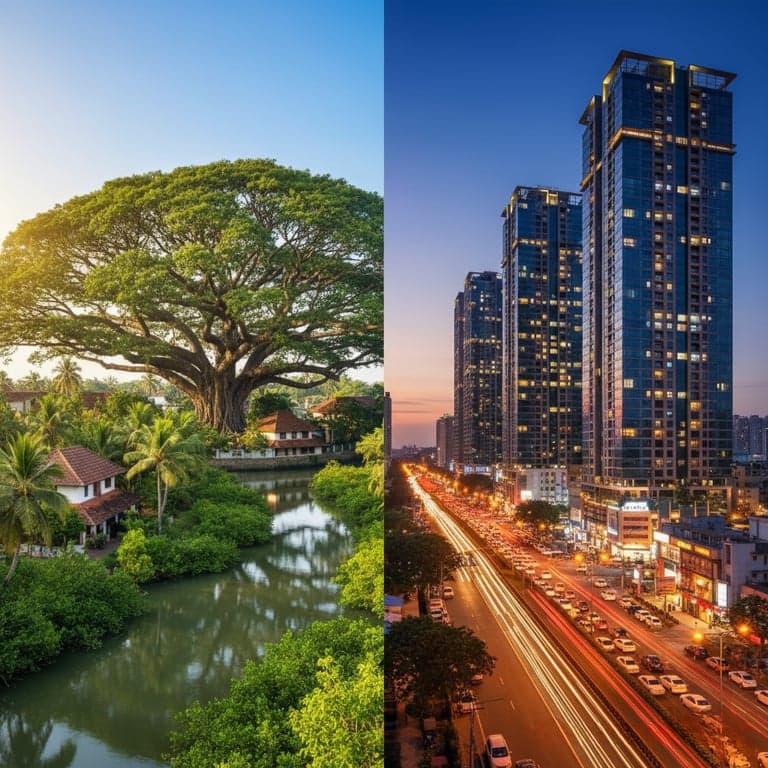
Mandaveli. Established. Densely populated. Culturally vibrant. But dying under concrete. Every park demolished for development. Every tree cut for construction. Every green space paved over for profit. A neighborhood that once had character and breathing room is becoming a concrete prison where nature has been completely erased.
👉 Mandaveli is suffocating. Without urgent green space restoration, the neighborhood will become completely uninhabitable.
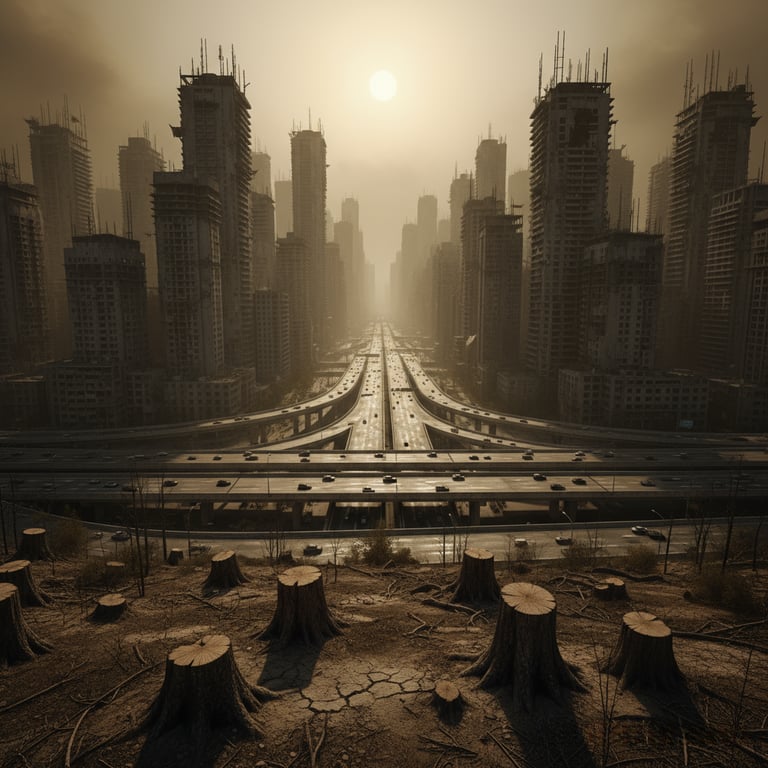
🌳 The Green Space Apocalypse
Mandaveli's green spaces are disappearing at alarming rates.
Parks Demolished for Development
What parks Mandaveli once had are disappearing rapidly.
Parks are being converted to commercial zones for maximum profit
Green spaces demolished for residential complexes
Community gathering spaces replaced by buildings
Recreational areas disappearing
Children have nowhere safe to play
The elderly have nowhere to rest and reflect
The consequence: A neighborhood loses its soul. Community life vanishes. Social bonds weaken. Mental health deteriorates.
Tree Cover Disappearing
Trees are being systematically cut for construction and "development."
Mature trees removed—decades of growth destroyed
Tree planting doesn't match tree felling
Street trees are minimal—few shade areas
Green cover declining visibly
Heat islands forming—temperatures rising
Air quality deteriorating from lack of natural filtration
The reality: Mandaveli's environmental heritage is being destroyed. The cooling effect of green cover is being lost. The neighborhood becomes hotter and more hostile.
Urban Heat Island Effect
Without trees and green spaces, Mandaveli is becoming dangerously hot.
Summer temperatures are 5-7°C higher than in greener neighborhoods
Heat-related illnesses increasing—heat stroke, dehydration
The elderly and children at high risk
Energy consumption for cooling skyrocketing
Air conditioning dependency increases costs
Vulnerable populations suffering severe distress
The health crisis: Residents are literally being cooked by concrete. Heat deaths are increasing. Vulnerable populations are suffering.
💨 Air Quality Deterioration
Without green spaces to filter pollutants, Mandaveli's air is becoming toxic.
Particulate matter accumulating—no trees to filter
Air quality index regularly exceeds "unhealthy" levels
Respiratory diseases increasing—asthma, bronchitis prevalent
Children with reduced lung capacity from pollution
The elderly struggling to breathe
Residents confined indoors during peak pollution
Vegetation dying from pollution stress
The consequence: Residents are breathing poison daily. Children's lungs are damaged. The elderly suffer from constant respiratory distress. Quality of life is destroyed.
🧠 Mental Health Crisis
Concrete jungles without nature are mental health disasters.
Depression rates are higher than in greener neighborhoods
Anxiety disorders increasing
No recovery spaces—nowhere to find peace
Stress levels are chronically elevated
A sense of hopelessness pervades the community
Isolation despite urban density
Children confined indoors—development affected
The psychological reality: Mandaveli residents are suffering an epidemic of mental health crises. Antidepressant use is increasing. Therapy demand exceeds supply. Suicide risk elevated.
Concrete suffocates the soul.
🚶 Walkability Destroyed
Without green spaces and trees, Mandaveli's streets are hostile to pedestrians.
No shade—walking in the sun is unbearable
No parks—nowhere to rest
No gathering spaces—no reason to walk
Unsafe from traffic—cars dominate
A hostile environment is driving car dependency
Community disconnection—people isolate
The consequence: Pedestrians disappear. Social disconnection increases. Car dependency worsens. Pollution increases.
✅ What Mandaveli Needs (Urgently)
Immediate Actions
Park creation—reclaim spaces for green areas
Tree plantation—aggressive street tree planting
Green roof initiatives—mandating green roofs on new buildings
Vertical gardens—greening building facades
Community gardens—food production and recreation
Development Regulations
Green space mandates—minimum 30% of development
Tree protection ordinances—protecting existing trees
Park preservation—protecting existing parks legally
Green building standards—LEED certification requirements
Maximum hardscape percentages—limits on concrete
Community Programs
Tree planting drives—monthly neighborhood initiatives
Park restoration—community participation in maintenance
Green awareness campaigns—education about nature benefits
Youth engagement—young people leading green initiatives
School gardens—children learning environmental stewardship
Infrastructure Investment
Park development—creating green spaces throughout the neighborhood
Cooling corridors—tree-lined streets reducing heat
Water features—fountains and ponds providing cooling
Environmental monitoring—tracking progress
Maintenance funding—ensuring parks are maintained
💪 What Residents Can Do Now
Form green space advocacy groups
Demand park development in the community
Support tree plantation initiatives
Participate in community gardening
Advocate for green building regulations
Document air quality and heat impacts
Create awareness about green space benefits
Vote for leaders prioritizing green space
Organize park cleanup and maintenance
Support local environmental organizations
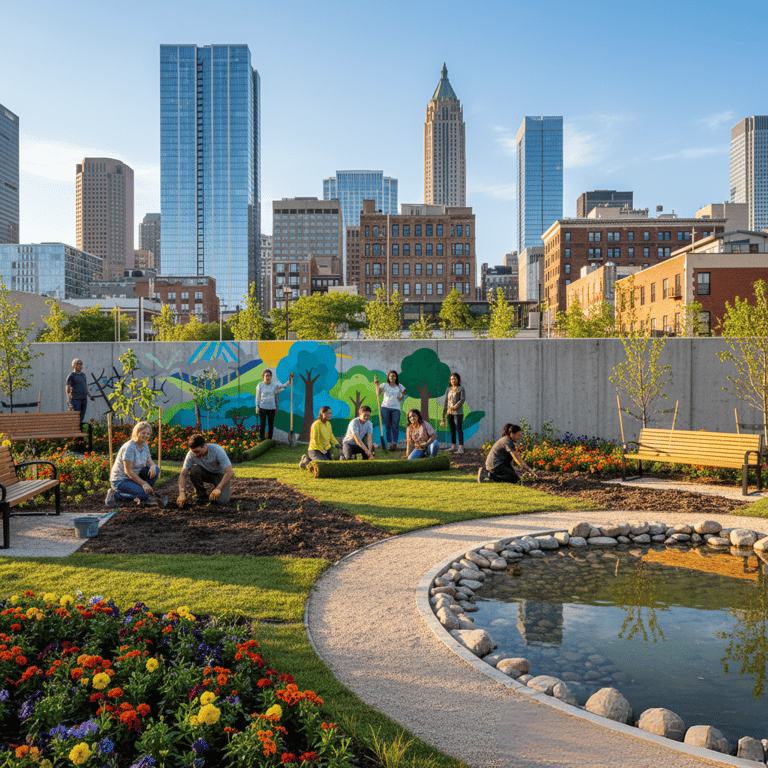 🚀 Mandaveli's Green Recovery
Mandaveli can transform from a concrete prison to a livable green neighborhood.
Every tree planted. Every park created. Every rooftop greened. Each is a step toward recovery.
The question is whether Mandaveli residents will demand change now—or continue suffering in their concrete prison.
Green spaces aren't luxuries. They're essential for health, well-being, and livability.
Mandaveli residents deserve to breathe clean air. They deserve parks. They deserve nature. They deserve to live—not just survive.
The time to act is now. Before more trees are cut. Before more parks are demolished. Before concrete completely consumes the neighbourhood.
Mandaveli's green future is possible. But only if residents organize and demand it immediately.