 ~ Akshara Srirangarajan
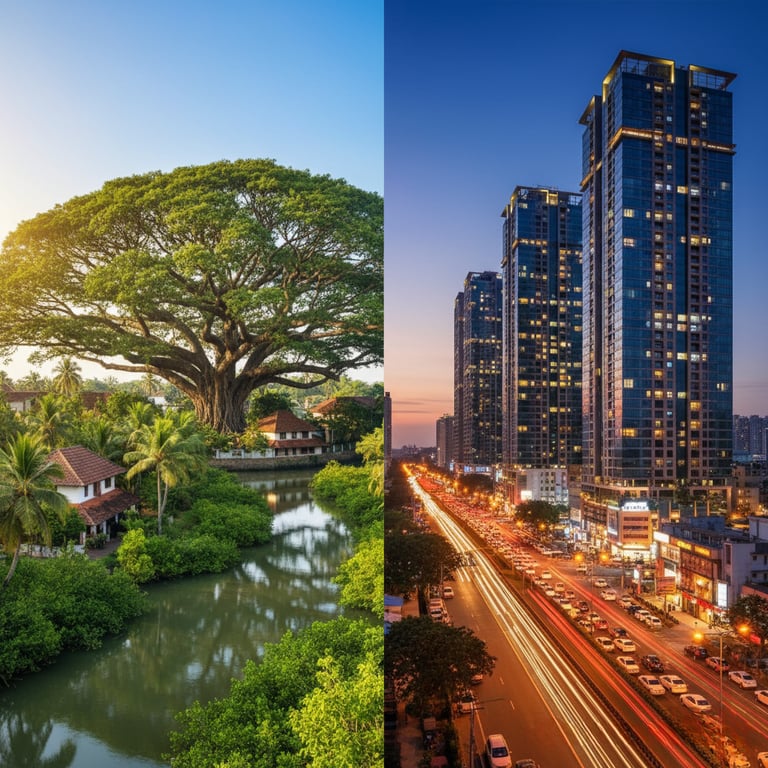
Adyar has long been known as one of Chennai’s green lungs — a place where you could hear birds at dawn, walk under thick tree canopies, and breathe easy amid the city’s concrete sprawl.
Blessed with the Adyar River, the Theosophical Society’s forested campus, and heritage homes with gardens and courtyards, it once stood as a rare model of ecological balance in an urban landscape.
But that image, while still partly true, is beginning to blur.
What was once lush and breathable is now only relatively green — and that should concern us all. If Adyar, of all places, is feeling the heat of unchecked urbanization, what does that mean for the rest of Chennai?
🏙️ The Pressure of Popularity
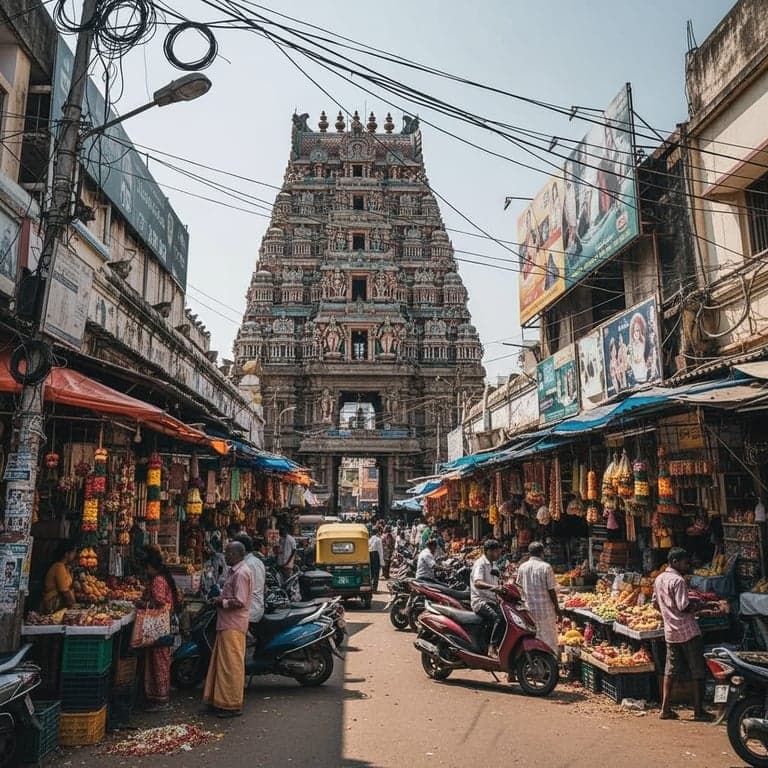
Over the last two decades, Adyar has become one of Chennai’s most sought-after localities.
With this popularity has come relentless pressure to build higher, denser, and faster.
Independent homes with gardens and setbacks have given way to multi-storey apartments.
Roads have widened, but tree cover has thinned.
New buildings rise quickly, yet public green spaces lag behind.
Even the few existing parks are overused or poorly maintained, leaving residents with little room to breathe.
🌿 SDG 11: Cities for People and the Planet
This transformation connects directly to Sustainable Development Goal 11 (SDG 11) — to make cities inclusive, safe, resilient, and sustainable.
A key target within SDG 11 is universal access to green and public spaces, especially for children, elderly citizens, and those with limited mobility.
On paper, Adyar may still seem compliant. Compared to denser areas like T. Nagar or Velachery, it does retain more greenery and quieter streets.
But that comparison hides the truth: when even the “greenest” neighborhoods begin to lose balance, the city’s overall ecological standard falls.
🚷 Green, But Not for Everyone
A subtler issue is access.
Many of Adyar’s green zones lie behind gates and walls — inside private campuses, clubs, or housing societies.
Meanwhile, the spaces intended for the public — small parks, walkways, riverfronts — often suffer from neglect, litter, or encroachment by vehicles and construction.
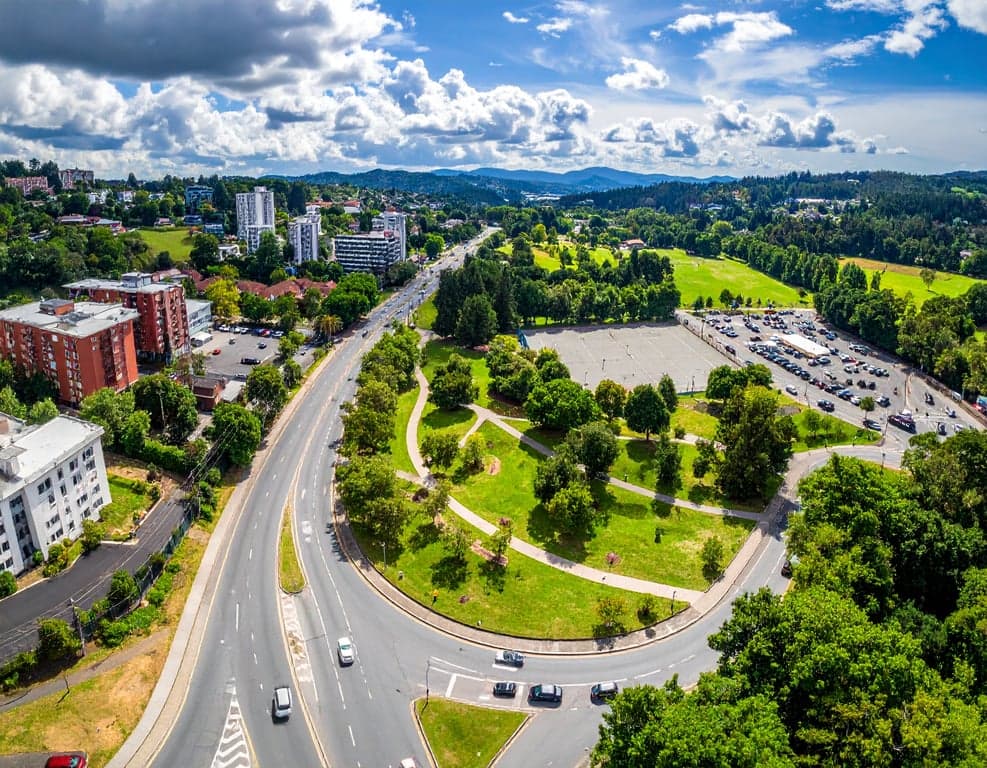
The result is a paradox: Adyar appears green from above, but much of that green is off-limits to the people who live there.
🌱 Rethinking “Green”
Adyar’s situation reminds us that sustainability isn’t just about preserving what’s left, but about planning inclusively for the future.
Urban growth is inevitable — especially in desirable areas. But development and ecology need not be opposites.
Trees can coexist with apartments.
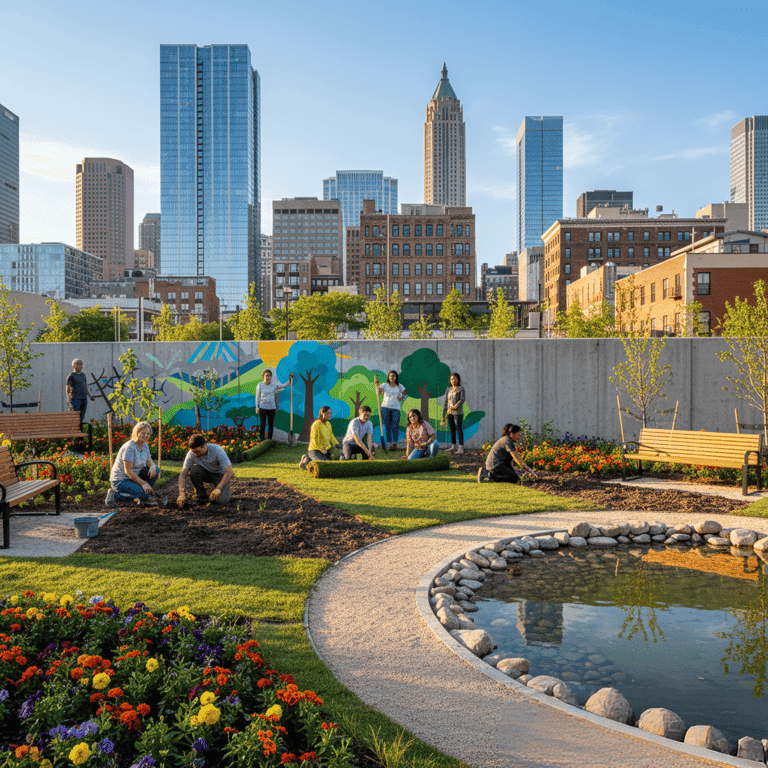
Parks can be woven into residential layouts.
Rainwater harvesting, native planting, and green rooftops can become the norm, not the exception.
“Green” must go beyond a few leafy streets or hidden gardens — it should mean shared, living spaces that support both nature and community.
🌏 The Path Forward
Adyar has the history, resources, and public interest to lead Chennai’s transition toward a truly sustainable urban model.
But that will happen only if residents, planners, and policymakers move beyond the comfort of labels like “greenest neighborhood” and start asking harder questions:
🌳 Is it green enough?
🌿 And more importantly, green for whom?
The future of Adyar — and of Chennai itself — depends on how we answer these questions, not just in master plans or policy reports, but on the ground,
street by street, tree by tree.