~ Samarth Krishna Kanakasubramaniam
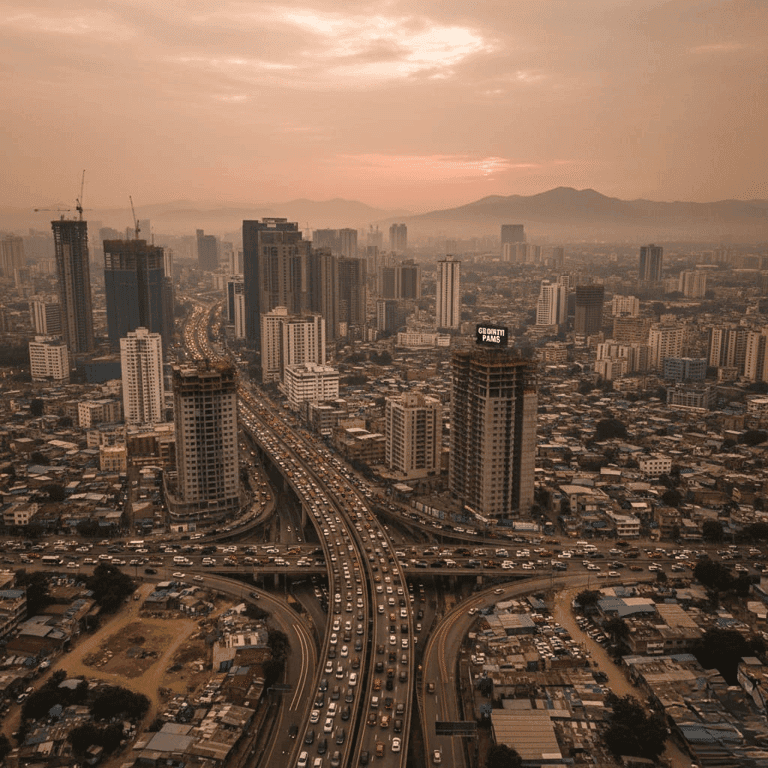
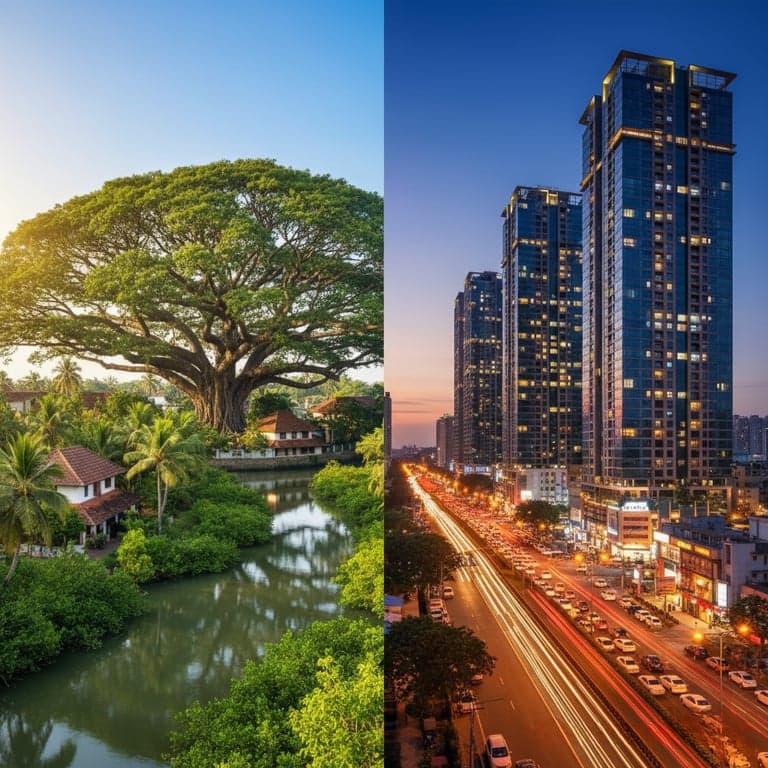
Teynampet. Dense. Commercial. Urban. Thriving economically. But critically starved of green spaces and parks. A concrete jungle without breathing room. A neighborhood where nature has been completely replaced by commerce.
👉 When green space disappears, health, wellbeing, and environmental resilience disappear with it. Teynampet is suffocating under concrete.
🚗 Traffic Congestion Worse Because of Density
Teynampet's commercial activity creates constant, unrelenting traffic.
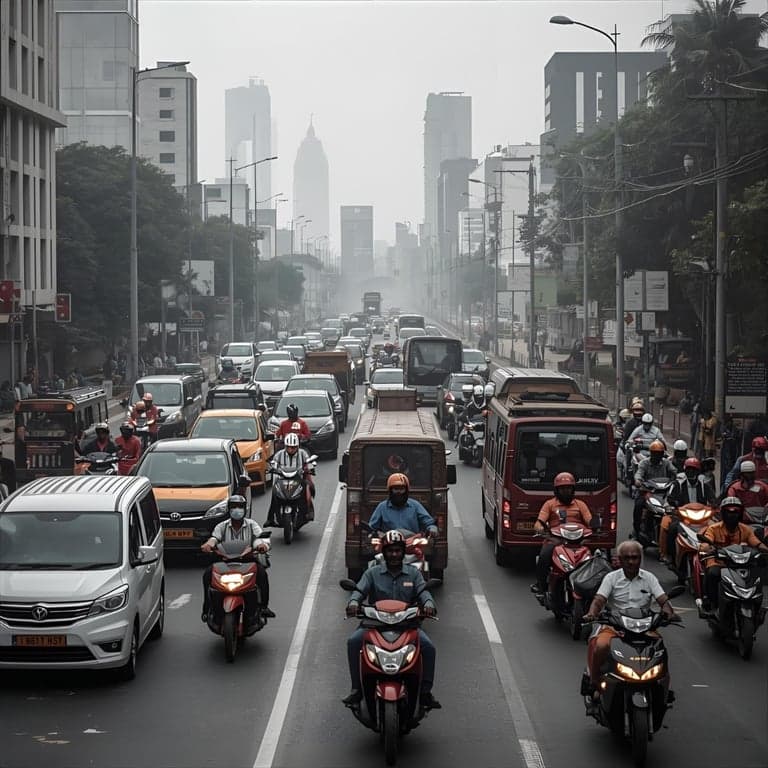
Roads are perpetually congested—even nights are busy
Public transit doesn't meet demand—buses are overcrowded
Pedestrians are unsafe—dodging traffic constantly
Cycling is dangerous—cyclists weaving between vehicles
Two-wheeler riders risk lives daily
Accidents are frequent and severe
Pollution is severe from constant traffic
The impact: Long commutes in toxic air. Stress from danger. Anxiety from congestion. Health deteriorating from pollution and stress.
There's no escape from traffic in Teynampet.
🌳 Green Space Crisis—Concrete Replaces Nature
Teynampet has almost no parks or green spaces. Nature has been completely erased.
No significant parks in the neighborhood
Tree cover is minimal—few shade trees on streets
Every available space is commercial or residential
Concrete dominates the landscape completely
No quiet spaces for reflection or peace
Children have nowhere to play safely
Elderly have nowhere to sit and rest
The consequence: Mental health issues increasing. Stress is chronic. No recovery spaces. No connection to nature.
Residents have nowhere to go for peace or nature.
🌡️ Urban Heat Effect Destroying Comfort
Without green spaces, heat traps in the neighborhood intensely.
Summer temperatures are 5-7°C higher than greener areas
Heat islands making summers unbearable
Heat-related illnesses increasing—heat stroke, dehydration
Energy consumption for cooling increasing exponentially
Air pollution worsens during heat—ozone formation
Vulnerable populations (elderly, children) at high risk
Streets become uninhabitable during peak heat
The reality: Summers are becoming unbearable. Residents are confined indoors. Quality of life drops dramatically. Heat deaths increase.
Climate change is making Teynampet increasingly uninhabitable.
💨 Air Quality Deterioration—Toxic Breathing
Traffic + concrete + no green space = toxic air.
Air quality is consistently poor—"unhealthy" levels regularly
Particulate matter exceeding safe levels daily
Nitrogen oxide levels causing respiratory damage
Ozone formation during peak heat
Children suffer developmental issues from pollution
Elderly residents struggle to breathe
Respiratory diseases increasing—asthma, bronchitis, lung disease
The health crisis: Residents are breathing poison daily. Children have reduced lung capacity. Elderly are suffering respiratory collapse. Disease burden increasing.
Teynampet's air is literally killing residents slowly.
😔 Mental Health Epidemic
Concrete jungles without nature are mental health disasters.
Depression rates higher than city average
Anxiety disorders increasing
Stress levels chronically elevated
No recovery spaces—nowhere to find peace
Isolation despite urban density—surrounded by people but lonely
Sense of hopelessness about conditions
Seasonal affective disorder worsening from lack of nature
The consequence: Mental health crisis epidemic. Antidepressant use increasing. Therapy demand exceeding supply. Suicide risk elevated.
Concrete jungles are destroying mental health.
🚶 Livability Collapsing
Would you want to live in Teynampet? Many are leaving.
Families with children are relocating—seeking greener neighborhoods
Elderly are moving to quieter areas with parks
Property values are stagnant—lack of livability suppressing demand
Businesses are relocating—excessive congestion affecting commerce
Community connection is minimal—no gathering spaces
Quality of life is poor despite commercial prosperity
Residents feel trapped rather than thriving
The irony: Teynampet is commercially successful but humanly failing. Economic prosperity with social collapse.
✅ What Teynampet Needs (Urgently)
Green Space Creation:
Large park development in central location
Rooftop gardens on all buildings
Vertical greening on building facades
Tree planting on every street
Green corridors connecting neighborhoods
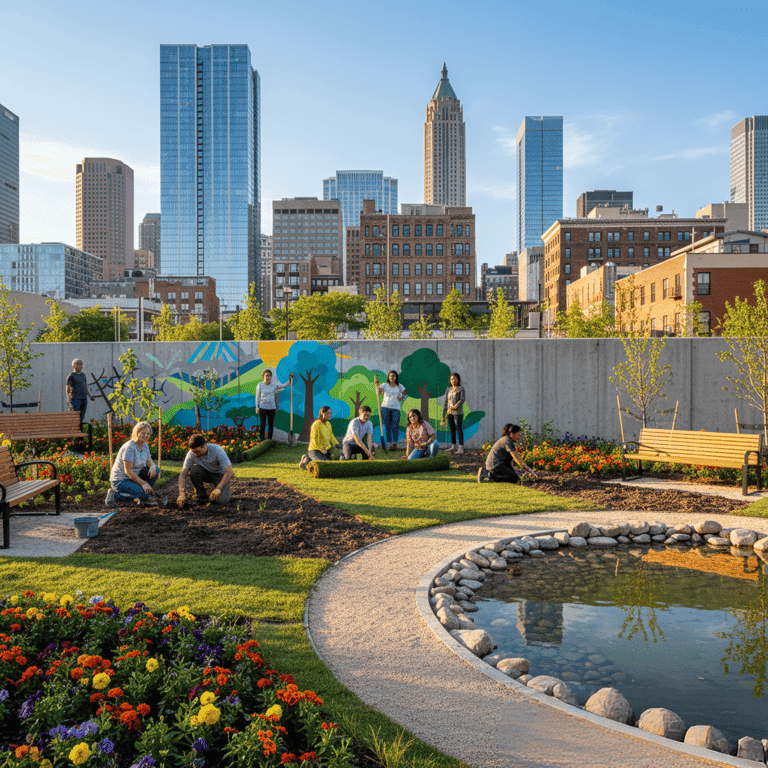
Community gardens for food and recreation
Pocket parks in every block
Traffic Solutions:
Public transit prioritization—dedicated bus lanes
Metro expansion to reduce traffic
Pedestrian pathways separated from vehicles
Cycle infrastructure—protected lanes
Traffic calming measures
Congestion pricing discouraging driving
Car-free zones during peak hours
Building Regulations:
Green roof requirements for all new buildings
Green space mandates (minimum 20% of development)
Maximum concrete/hardscape percentages
Tree planting requirements
Building design reflecting environmental responsibility
Environmental Monitoring:
Air quality monitoring stations
Heat mapping tracking urban heat islands
Water quality testing
Noise level monitoring
Regular environmental assessments
Health Support:
Mobile health clinics addressing pollution-related diseases
Respiratory disease treatment centers
Mental health support for stress and depression
Public health campaigns on pollution effects
Air quality alerts and warnings
Community Programs:
Tree planting drives organized regularly
Park adoption programs
Community gardening initiatives
Green awareness campaigns
School programs on environmental restoration
💪 What Residents Can Do Now
Form green space advocacy groups
Demand park development in community
Support rooftop garden initiatives
Participate in tree planting drives
Advocate for green building regulations
Create community gardens where possible
Support pedestrian and cyclist infrastructure
Document air quality and health impacts
Vote for leaders prioritizing green space
Create awareness about green space importance
🚀 Teynampet's Transformation Opportunity
Teynampet can transform from a concrete jungle to a livable urban neighborhood. It won't be easy. But it's possible.
Singapore transformed from concrete jungle to garden city. Barcelona created parks throughout dense neighborhoods. Mexico City is planting millions of trees.
Teynampet can do the same. It requires:
Political will to prioritize livability over maximum density
Community demand for green space
Developer participation in green building
Government investment in parks and trees
Community engagement in maintenance
Every park created. Every tree planted. Every rooftop greened. Every green roof requirement. Each is a step toward livability and health.
Teynampet's green space crisis is solvable. The question is whether the community will demand it now, or continue suffering under concrete.
Teynampet residents deserve to breathe clean air. They deserve parks. They deserve nature. They deserve livability alongside urban density.
The time to act is now. Before more residents leave. Before health crisis becomes health catastrophe.