~ Samarth Krishna Kanakasubramaniam
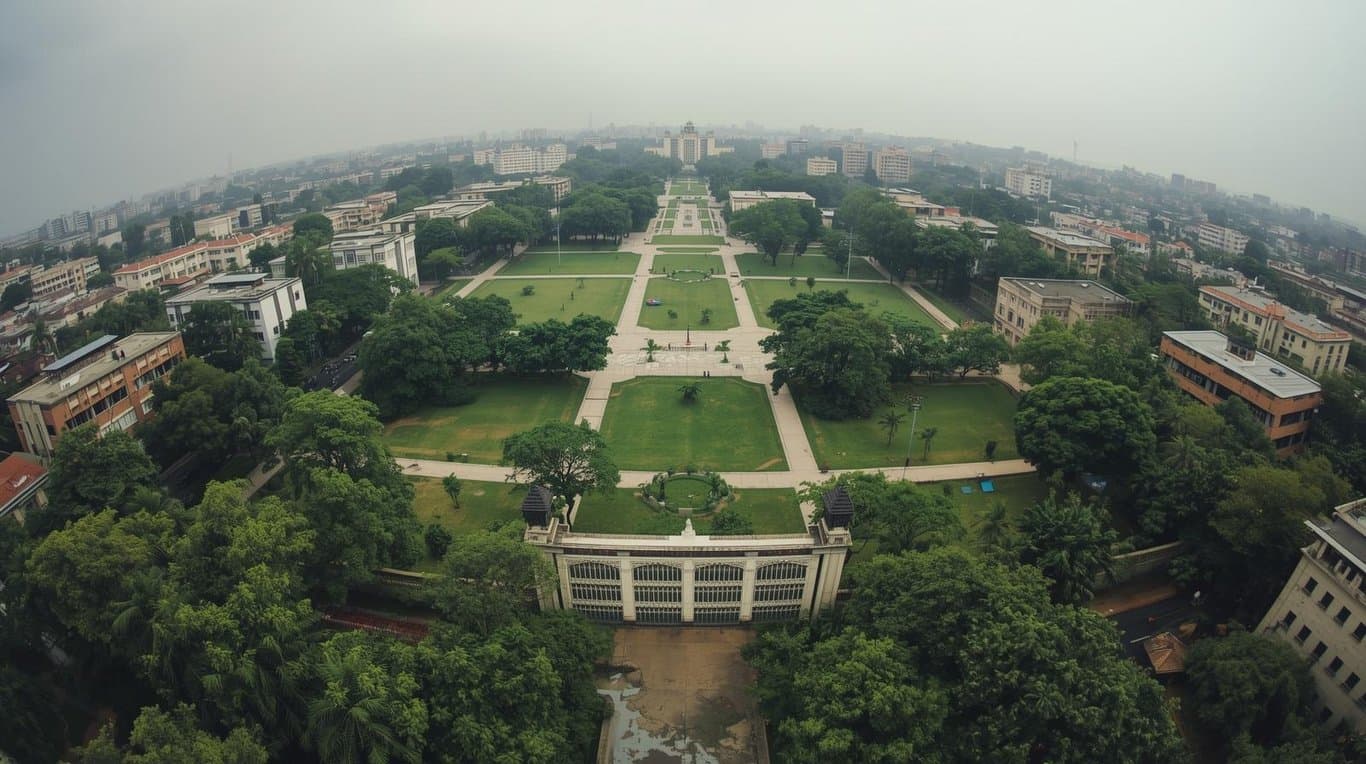
Government Estate. Raj Bhavan. Guindy National Park. IIT Madras. A 156-acre privileged green oasis in the heart of Chennai. But this government-controlled area—once seamlessly part of the city's landscape—has become an isolated ecological island, creating accessibility barriers, perpetuating inequality, and symbolizing urban segregation.
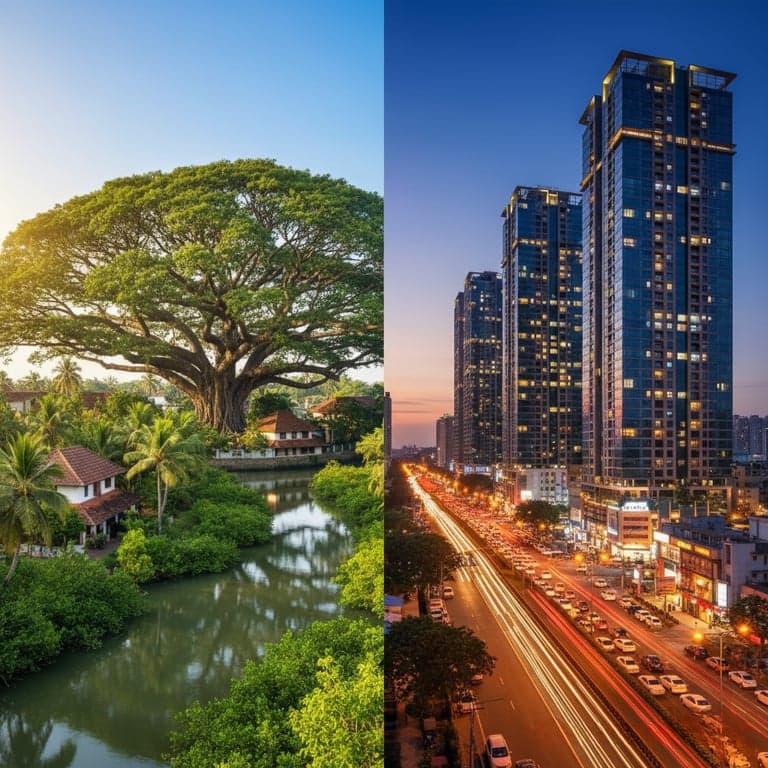
👉 Government Estate's fences protect nature—but they also wall off public access, creating a tale of two cities: green privilege for government versus concrete scarcity for residents.
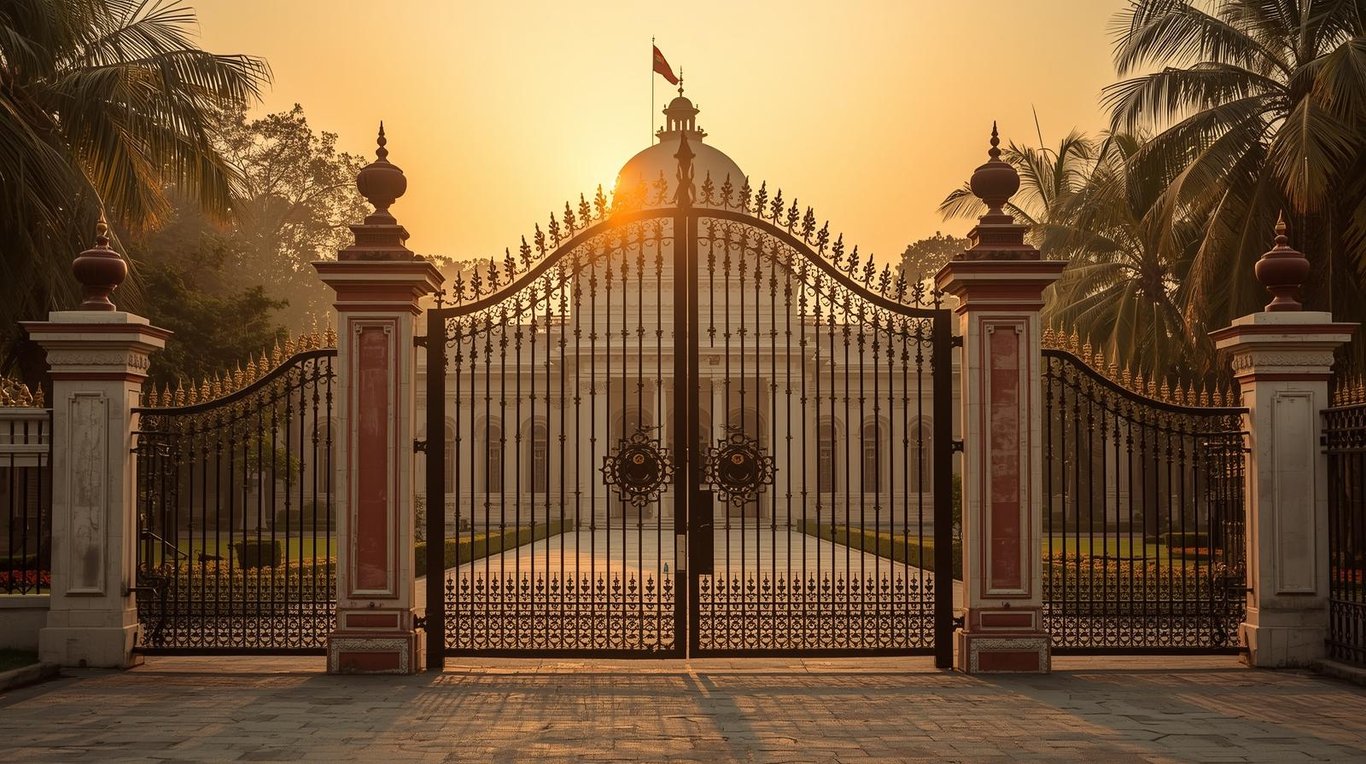
🌳 The Isolated Forest—Nature Preserved, Community Excluded
Guindy National Park—India's smallest national park at 683 acres—sits within Government Estate as a protected tropical dry evergreen forest.
Once an open, unfenced area where Chennai residents wandered freely
The forest was part of the larger cityscape—integrated, accessible, used daily
In 1977, National Park status brought fences, guards, and restrictions
Walking trails require warden permission—casual access prohibited
Anyone caught inside without permission is punished
The forest has drifted out of public awareness in Chennai
The conservation paradox: Protection isolated the forest from the very community it could serve. Nature became privilege, not public good.
The consequence: Residents who once used the forest for daily activities (cattle grazing, collecting forest produce, recreation) were excluded. The forest became government property, not community resource.
🚧 Accessibility Barriers—Public Land, Private Access
Government Estate creates physical and psychological barriers to public access.
156-acre Raj Bhavan estate fenced off from public
IIT Madras campus (388 acres carved from the forest) restricts non-student access
Government institutions occupying prime green land
Limited public entry points—controlled, surveilled, intimidating
Residents feel excluded from their own city
The injustice: Prime green space in land-starved Chennai is government-controlled, creating green inequality. Government employees and officials enjoy nature while ordinary residents navigate concrete jungles.
🏛️ Institutional Privilege vs. Community Needs
Government Estate represents spatial privilege.
Government officials living in green oasis
Air-conditioned offices surrounded by nature
Protected from pollution, heat, congestion
Meanwhile, surrounding neighborhoods (Guindy, Saidapet, Ekkatuthangal) suffer:
Concrete landscapes
Minimal parks
Traffic congestion
Air pollution
Heat islands
The contrast: Government Estate demonstrates what green urban space looks like. But that vision is denied to ordinary residents who need it most.
🌆 Urban Segregation Symbol
Government Estate symbolizes broader inequality.
Colonial legacy of segregated spaces continues
Government privilege versus public deprivation
Green space as entitlement for power, not right for all
Physical walls representing social walls
The broader issue: Chennai desperately needs green spaces. Yet prime central land is locked behind fences serving few while millions suffer concrete sprawl.
📍 Missed Opportunity for Community Integration
Government Estate could be a model for integrating nature and urban life—but isn't.
What it could be:
Controlled public access to forest (timed entry, guided walks)
Community programs teaching environmental conservation
School field trips educating children about ecology
Public parks on portions of the estate
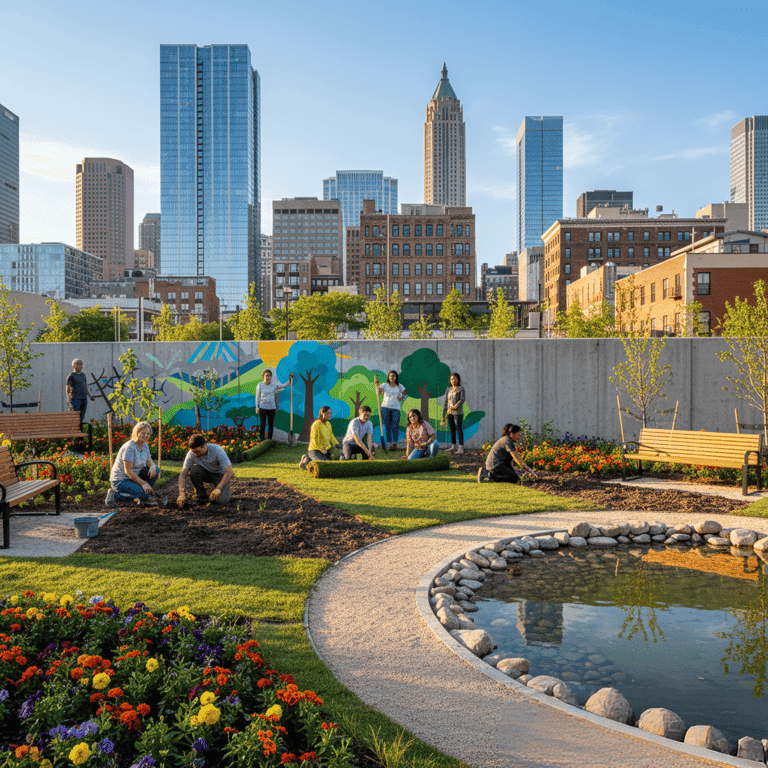
Community gardens engaging residents
Model of urban-nature integration inspiring citywide change
What it is instead:
Isolated ecological island cut off from community
Privilege space for government elite
Wasted opportunity for public environmental education
Symbol of inequality and exclusion
✅ What Government Estate Should Become
Reimagine Government Estate as Public Resource:
Controlled Public Access: Timed entry to Guindy National Park (mornings/evenings), guided nature walks, educational programs, school partnerships.
Community Integration: Public parks on non-sensitive areas, community gardens, recreational facilities, accessible green spaces.
Environmental Education: Visitor centers, conservation programs, school curricula integration, public awareness campaigns.
Equitable Green Distribution: If government controls green space, public must benefit. Government privilege should translate to community access.
Model Sustainable Development: Demonstrate what Chennai could be—green, accessible, sustainable. Inspire citywide transformation.
💪 Green Space is a Right, Not a Privilege
Government Estate's green luxury exists while surrounding neighborhoods choke on pollution and heat. This isn't just inefficiency—it's injustice.
Chennai residents deserve access to nature. Green space shouldn't be government privilege. It should be public right.
Every tree behind Government Estate's fences is a tree ordinary residents can't enjoy. Every acre of protected forest is an acre denied to the community that needs it most.
🚀 The Call for Change
Government Estate must open to the public—carefully, thoughtfully, but definitively.
Nature conservation and community access aren't mutually exclusive. Cities worldwide prove both are possible simultaneously.
👉 Chennai deserves better than green islands for the privileged and concrete jungles for everyone else. Government Estate's transformation from exclusive enclave to inclusive public resource would be a powerful statement: nature belongs to all.