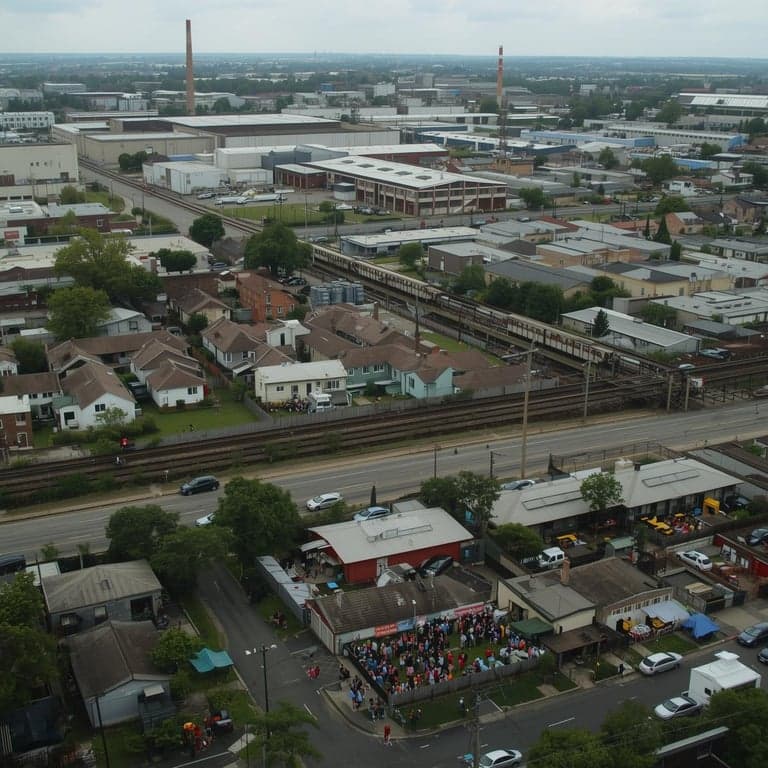
Thiruvotriyur—a northern Chennai working-class suburb—suffers from industrial pollution, poor transit connectivity isolating residents from employment, deteriorating housing, inadequate water and sanitation, and insufficient schools and healthcare, reflecting systemic neglect of peripheral communities.
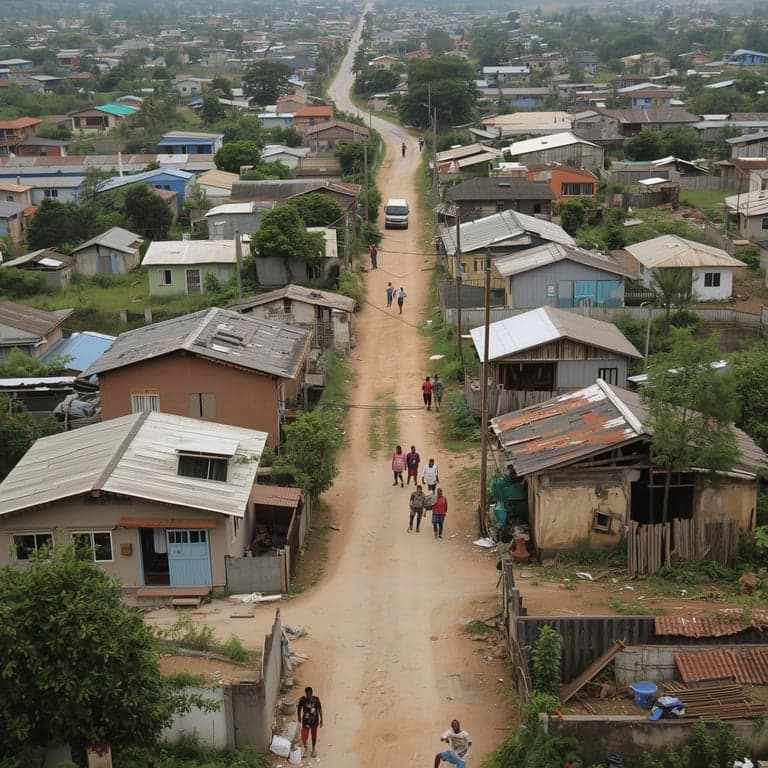
Vallalar Nagar—a peripheral low-income community—faces systematic exclusion through poor bus connectivity restricting job access, concentrated poverty without economic development support, overcrowded under-resourced schools, and deteriorating infrastructure with inconsistent water supply and inadequate sewage, trapping residents in poverty cycles reinforced by geographic isolation.
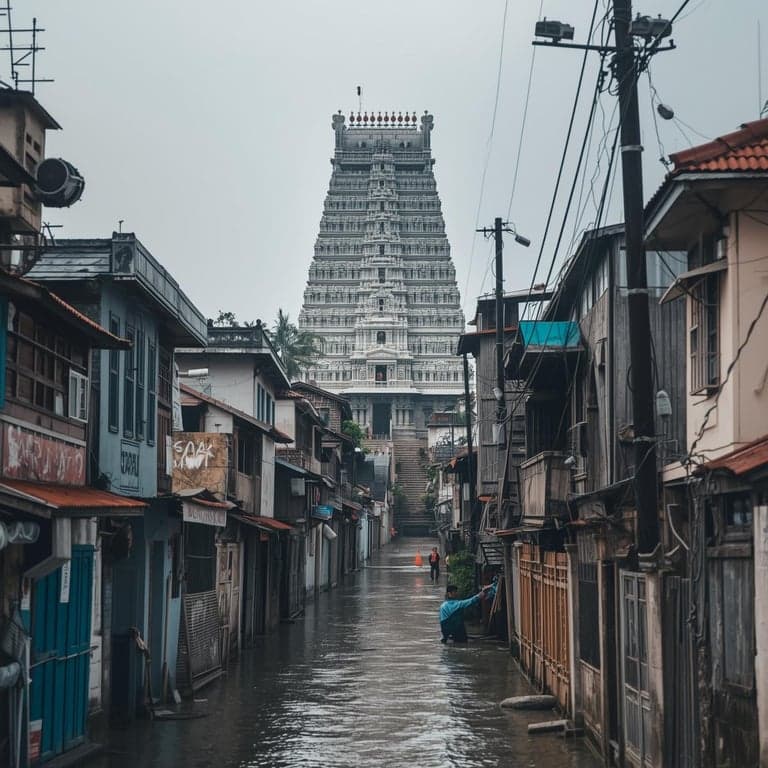
Tiruvallikeni (Triplicane)—one of Chennai's most densely populated coastal neighborhoods—faces rising sea levels, severe overcrowding in deteriorating buildings, inadequate sanitation, and heritage erosion threatening centuries-old cultural traditions and historic structures.
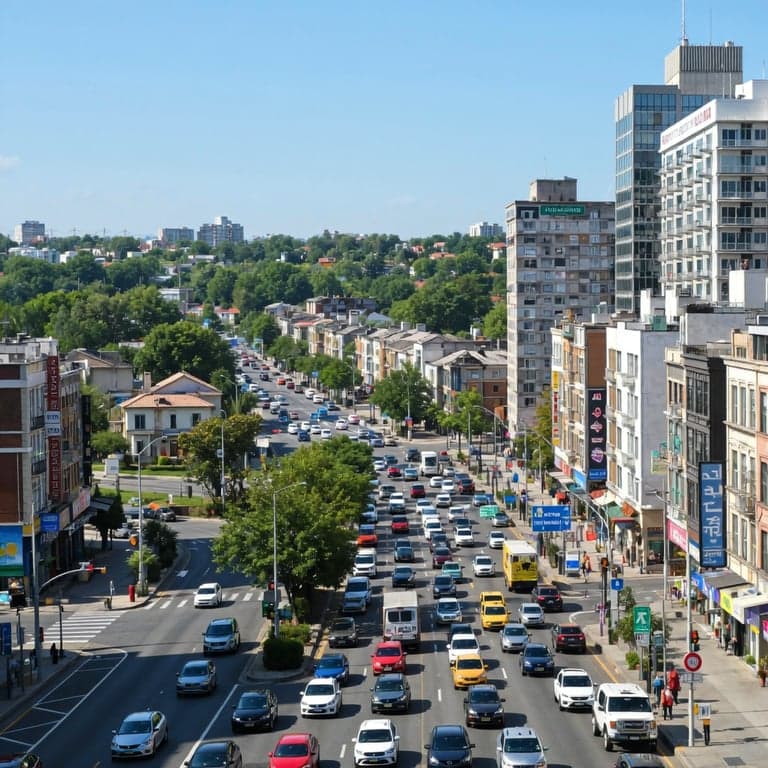
Virugambakkam's mid-city location creates development pressure—commercial encroachment, traffic congestion, rising rents, and disappearing green spaces threaten to destroy the neighborhood's residential character and force out long-time residents without comprehensive planning to maintain balance.
Villivakkam's rapid suburban growth—driven by families seeking affordable housing—is creating unplanned sprawl with traffic congestion, overcrowded schools, insufficient water supply, and disappearing green spaces as infrastructure lags years behind population increase.
Vyasarpadi's role as a major railway junction subjects residents to constant train noise, multiple daily level crossing delays trapping traffic, deteriorating housing near tracks, and infrastructure neglect—making life unbearable for the working-class community keeping Chennai's trains running.