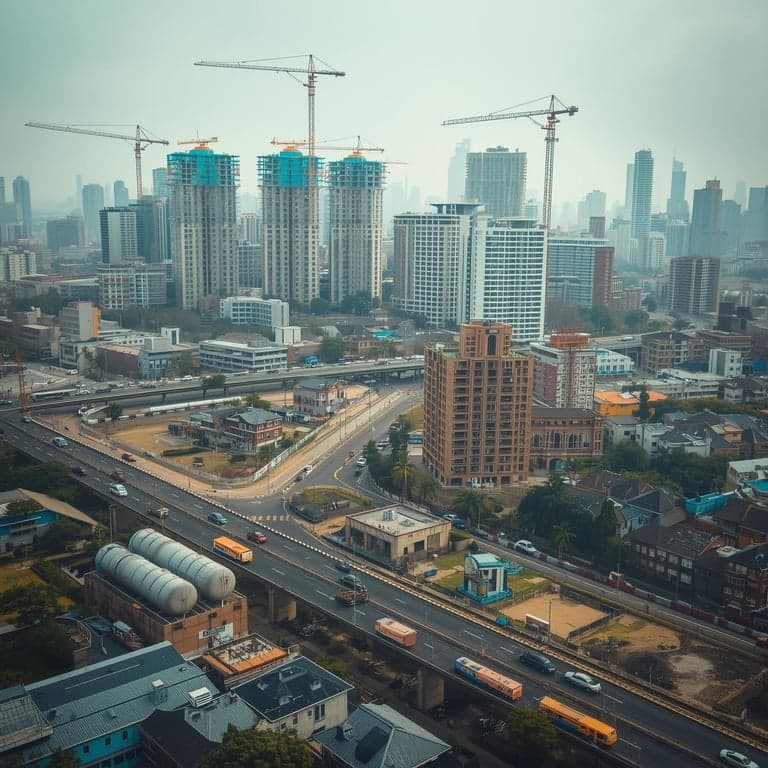
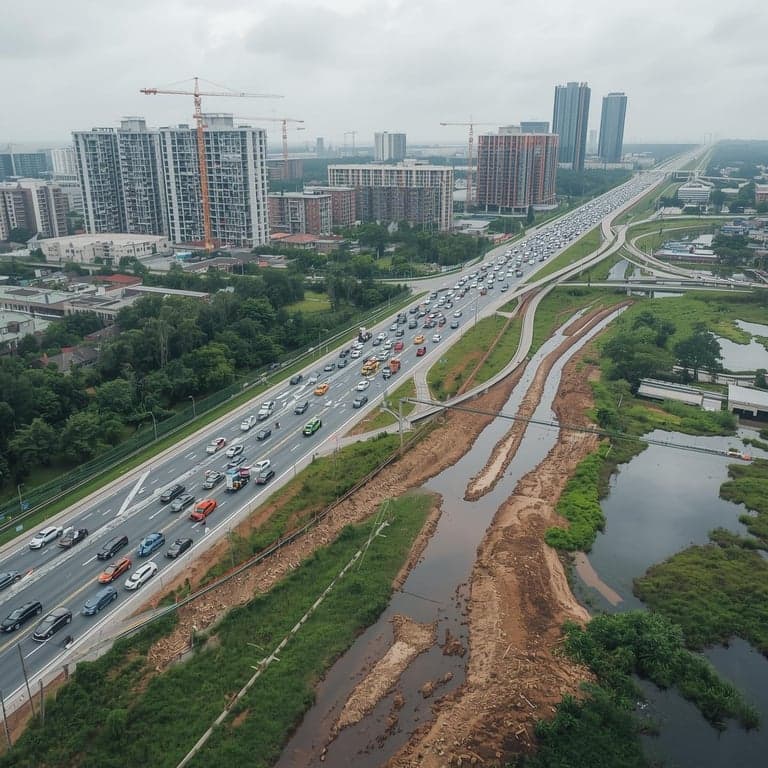
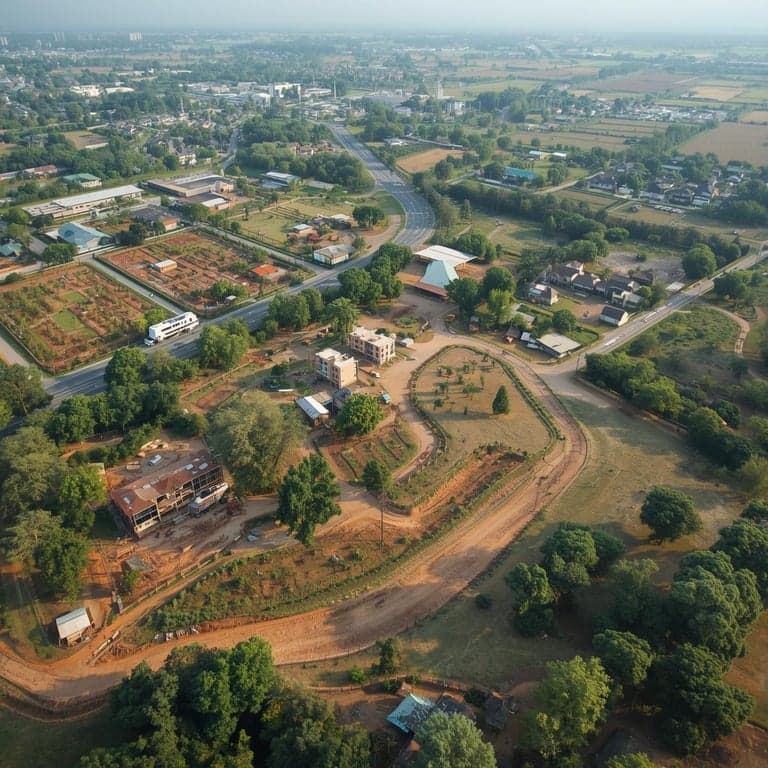
Thiruninravur—a rapidly expanding northern satellite town—faces severe water scarcity from groundwater depletion, emerging traffic congestion, overcrowded schools, and inadequate sewage and drainage systems as thousands of housing units are built without master planning or infrastructure coordination.
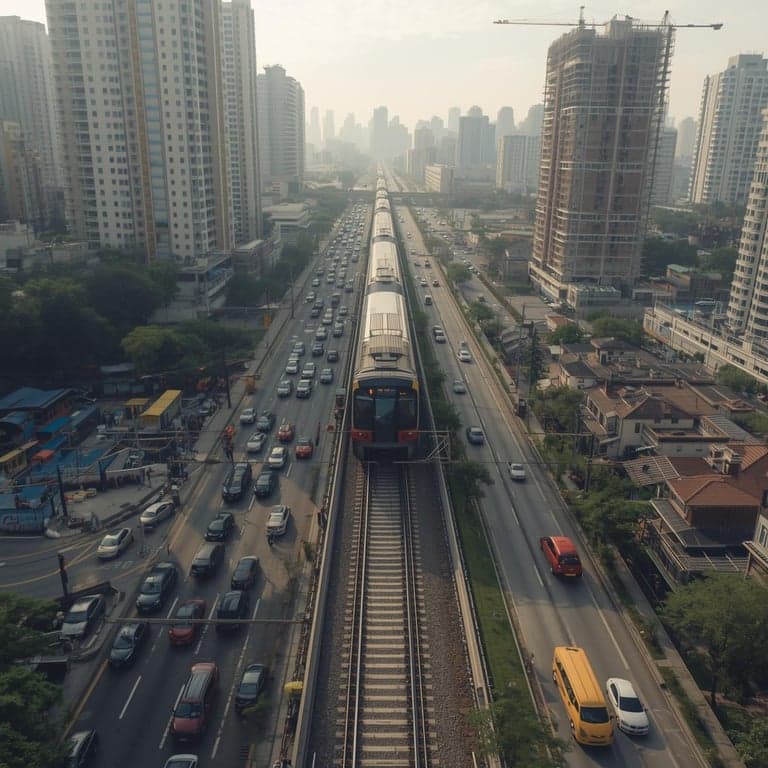
Thirumangalam's metro station—meant to improve connectivity—has triggered rapid development driving property values up 30-40% annually, displacing long-term residents through gentrification while creating traffic congestion and infrastructure strain despite the transit access it provides.
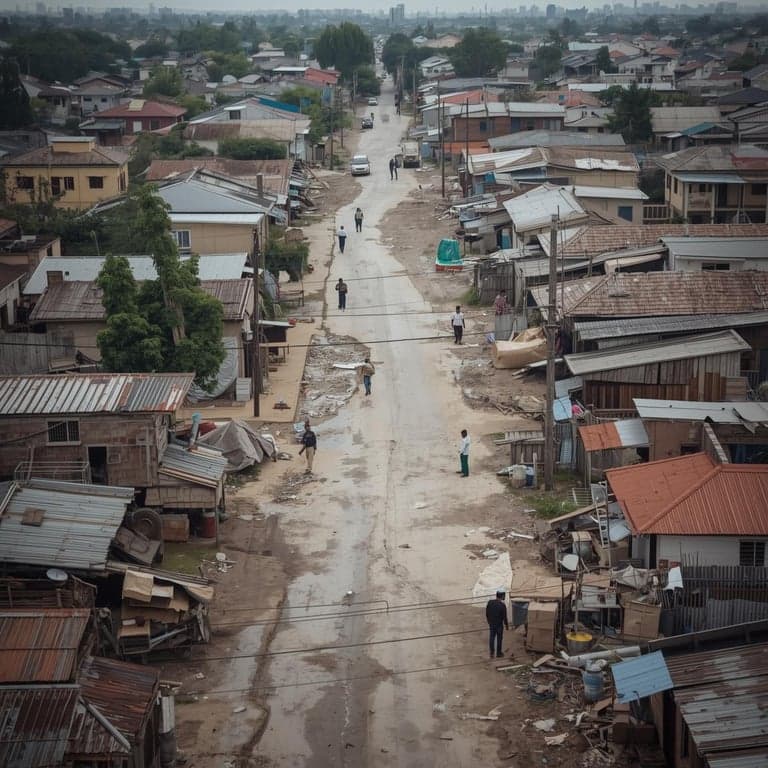
Surapet—a peripheral northern Chennai working-class community—suffers systematic neglect with crumbling roads, inadequate drainage causing severe flooding, inconsistent water supply, limited bus service isolating residents from jobs, and insufficient schools and healthcare, perpetuating poverty cycles.
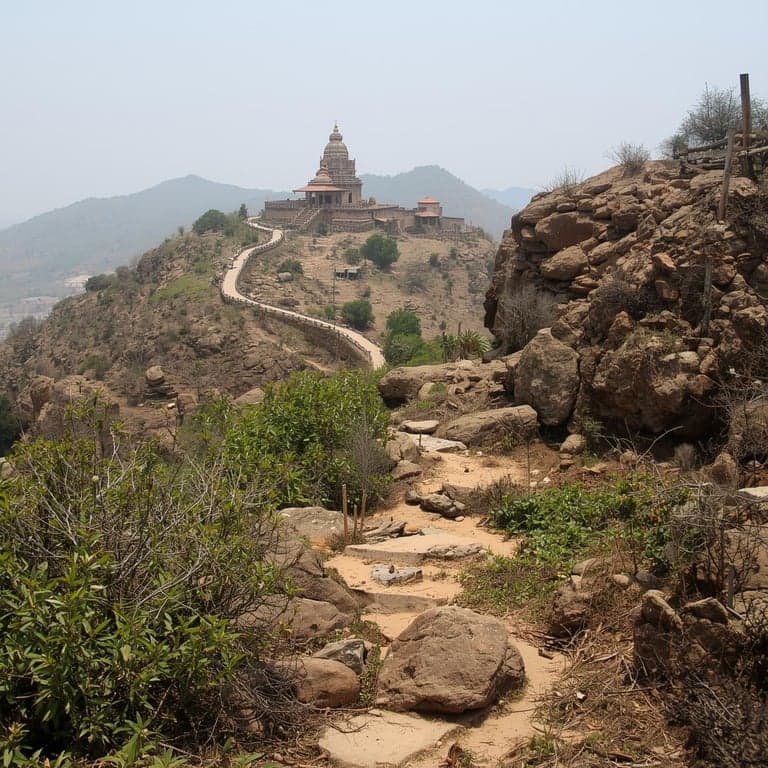
Thiruneermalai—a hill temple town with sacred significance and unique rocky terrain—faces environmental destruction from quarrying and slope construction, heritage erosion from development encroachment, and infrastructure challenges from inadequate planning for its elevated geography and cultural character.
Valasaravakkam's suburban residential boom—attracting families with promises of space and affordability—is creating traffic congestion, water tanker dependency, sewage overflows, and wetland destruction as thousands of housing units are built without coordinated infrastructure or environmental planning.
Vandalur's rapid transformation from agricultural land to urban sprawl—driven by Chennai's expansion—is happening without master planning, creating infrastructure inadequacy (no public transit, insufficient water, overwhelmed sewage), environmental destruction, and threatening the area's green identity and zoo ecosystem.