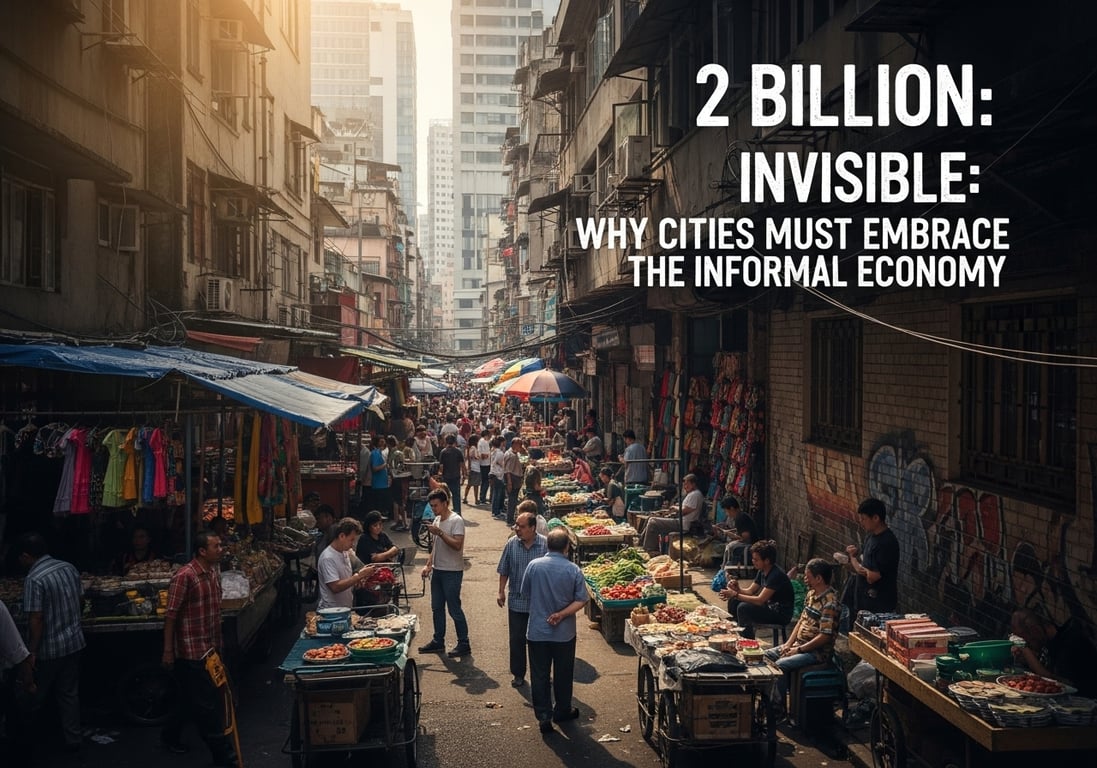
 The Invisible Backbone of Cities: Why Integrating Informal Workers Matters
~ Samarth Krishna Kanaksubramaniam
Walk through any city at dawn.
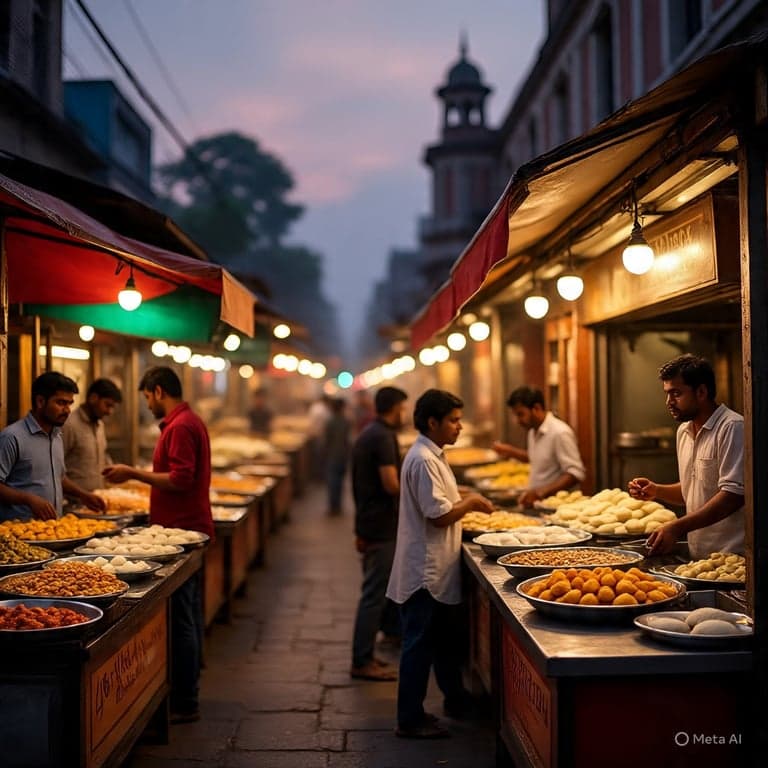
Street vendors set up stalls. Waste pickers begin their routes. Construction workers gather for day labor. Domestic workers head to wealthy households.
👉 This is the informal economy—and it’s where most urban poor actually survive.
🌍 The Scale of Informal Work
Over 2 billion people globally work informally.
They’re not registered, taxed, or protected by labor laws.
They have no contracts, no benefits, no safety nets.
Yet they are the backbone of urban life.
Without them, cities simply wouldn’t function.
🚫 How Cities Often Respond
Most city planners criminalize informal work:
Vendors get fined and arrested.
Waste pickers are pushed out.
Day laborers are labeled “undesirable.”
Instead of integrating informal workers into the economy, cities push them underground or out entirely.
⚠️ Why This Matters
When you criminalize survival, you don’t eliminate poverty—you deepen it.
A street vendor making $10 a day gets fined $15. They lose income and fall into debt.
A waste picker supporting a family gets arrested, and their children go hungry.
These aren’t mere policy failures. They are human tragedies, happening daily in cities worldwide.
🌱 Why the Informal Economy Exists
Informal work exists because formal opportunities are scarce:
Not enough jobs
Not enough affordable housing
Not enough access to basic services
Rather than tackling these root causes, many cities punish the poor for surviving.
🌟 Cities That Are Breaking the Pattern
Bogotá
Integrated street vendors into the formal economy through legal status, credit access, and business training.
→ Better livelihoods, cleaner streets, safer communities, and a more vibrant city.Nairobi
Formed waste picker cooperatives, formalizing recycling work.
→ Dignity, income security, legal protections, improved waste management, and environmental gains.Mumbai
Domestic workers’ collectives fought for legal recognition and protections.
→ Safer working conditions, better pay, and greater dignity.
🌆 The Transformation
When informal workers transition to formal recognition, they gain stability.
They invest in housing, education, and businesses.
They participate more fully in civic life.
Communities strengthen.
Cities become more resilient.
✅ The Real Solution
Sustainable cities don’t exclude informal workers — they integrate them.
They:
Recognize informal work as legitimate work
Provide pathways to formalization
Ensure legal protections
Enable access to credit and business support
This isn’t charity. It’s about recognizing that cities depend on these workers — and that their contributions deserve protection and respect.
🌿 A Call to Action
Every street vendor formalized.
Every waste picker protected.
Every day laborer recognized.
👉 Each is a person lifted toward stability and dignity — and that transforms entire communities.