~ Neha Ramachandran
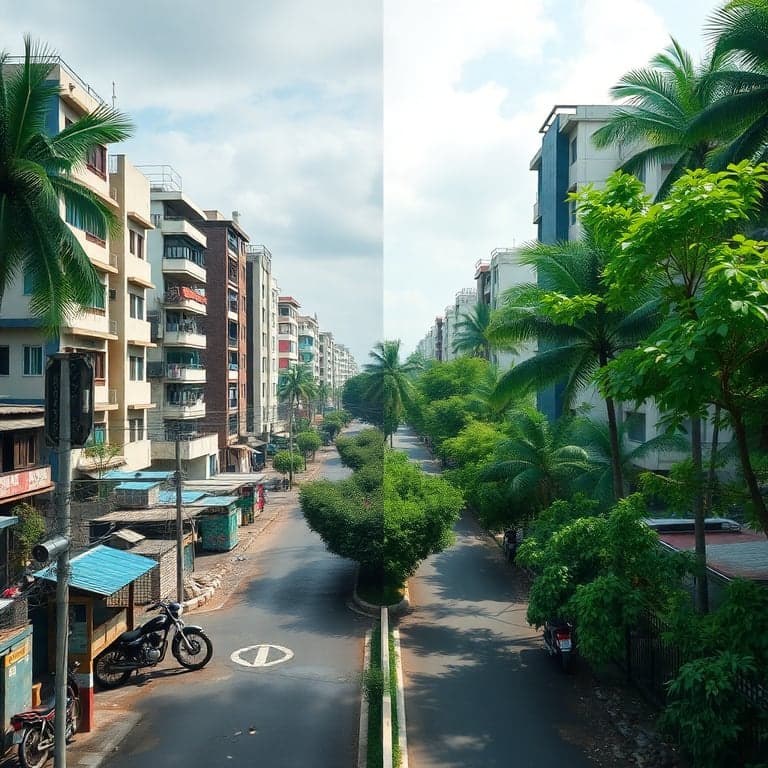
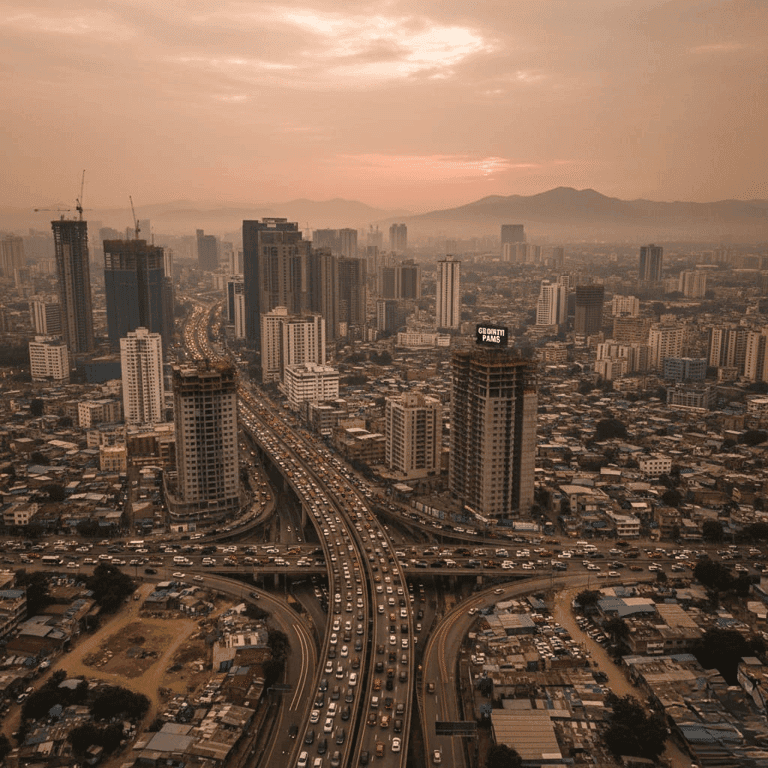
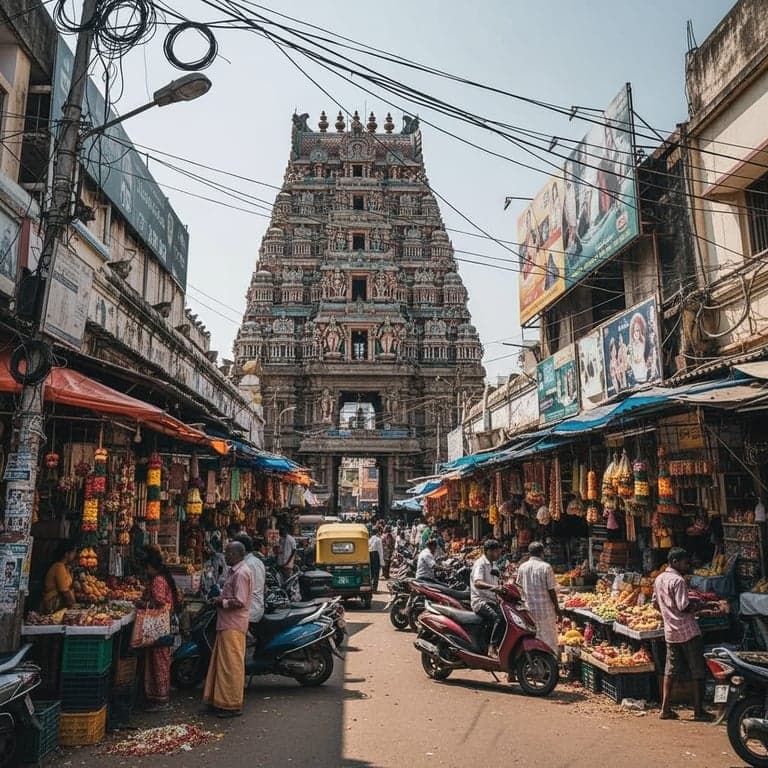
Parry's Corner. Chennai's historic commercial heart. Wholesale markets. Thousands of businesses. Hundreds of thousands of daily visitors. But also: traffic gridlock, waste accumulation, overcrowding, and limited public space. This crowded, vital neighborhood needs transformation—and SDG 11 provides the roadmap.
👉 Parry's Corner can become a model sustainable commercial district—but only with deliberate implementation of SDG 11 principles through community partnership and practical solutions.
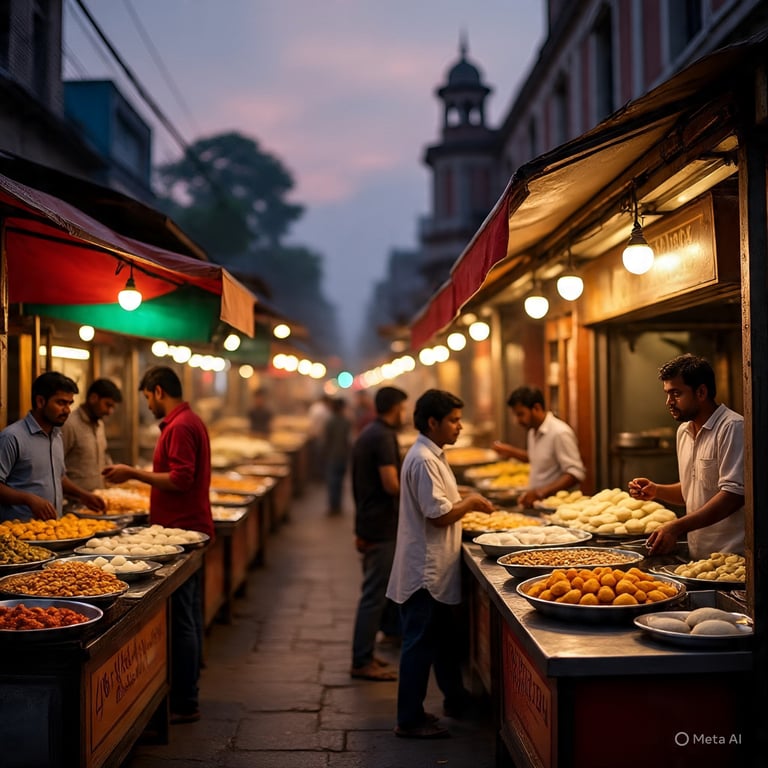
🚨 The Current Reality: Chaos in Chennai's Commercial Heart
Parry's Corner faces multiple urban challenges simultaneously.
Traffic Nightmare
Thousands of commercial vehicles daily
Pedestrians forced into traffic
No dedicated loading zones
Congestion paralyzing movement
Pollution from idling vehicles
Waste Crisis
Packaging waste overwhelming collection systems
Commercial waste mixed with residential
Littering common in crowded areas
Inadequate waste infrastructure
Health hazards from accumulated garbage
Space Scarcity
Zero public spaces for rest or gathering
Footpaths encroached by commerce
No green spaces
Overcrowded, claustrophobic environment
Heat island effects intense
The consequence: A commercially successful area that's becoming unlivable and unsustainable. Without intervention, the chaos will only worsen.
🎯 How SDG 11 Can Transform Parry's Corner
SDG 11 demands inclusive, safe, resilient, and sustainable cities. Here's how to implement it in Parry's Corner:
1️⃣ Local Government + Community Partnerships
The Foundation: No transformation happens without collaboration.
Action Steps:
Chennai Corporation / CMDA partners with local resident associations and business owners
Form "Parry's Corner Task Forces" including:
Shop owners
Residents
Transport operators
Workers' representatives
Government officials
Map community needs: housing, utilities, transport, public space
Create shared vision with community buy-in
Why it matters: Top-down planning fails. Community-led solutions with government support succeed because people implement what they design.
2️⃣ Slum Upgradation & Housing Improvement
The Challenge: Informal settlements and poorly serviced housing exist throughout the area.
Action Steps:
Identify informal settlements and inadequate housing
Upgrade in-situ (on-site)—not forced relocation
Provide proper addresses, utilities (water, electricity, sewage)
Grant legal status to households
Improve building safety and sanitation
Why it matters: Forced relocation destroys communities and livelihoods. In-situ upgrading improves lives while preserving social networks and economic connections essential for commercial areas.
SDG 11.1 Connection: Safe, affordable housing for all.
3️⃣ Transport Upgrades: Moving People, Not Just Vehicles
The Challenge: Traffic chaos from mixed commercial and pedestrian movement.
Action Steps:
Improve Public Bus Routes:
Increase frequency serving Parry's Corner
Dedicated bus stops with proper infrastructure
Real-time passenger information
Integration with metro and suburban rail
Pedestrian-First Streets:
Create pedestrian zones in commercial-heavy areas
Timed vehicle restrictions (vehicles allowed only for loading/unloading in early morning)
Widened footpaths with continuous accessibility
Shaded walkways reducing heat
Cycle Infrastructure:
Dedicated cycle lanes for short local trips
Bicycle parking facilities
Bike-sharing programs for workers
Commercial Vehicle Management:
Designated loading/unloading zones
Time restrictions for heavy vehicles
Consolidation centers reducing vehicle trips
Why it matters: Separating pedestrians from vehicles saves lives. Public transit reduces congestion. Cycling provides affordable transport for workers.
SDG 11.2 Connection: Sustainable transport systems accessible to all.
4️⃣ Waste Management Revolution
The Challenge: Commercial and residential waste overwhelming collection systems.
Action Steps:
Frequent Collection:
Multiple daily collections in high-density commercial zones
Separate commercial waste collection
Evening/night collection reducing daytime disruption
Source Segregation:
Mandatory waste segregation at source (households + shops)
Separate bins: biodegradable, recyclable, hazardous
Fines for non-compliance
Incentives for proper segregation
Composting & Recycling:
Community composting centers for organic waste
Recycling facilities for packaging materials
Market for recycled materials
Waste-to-resource programs
Infrastructure:
Adequate waste bins throughout area
Regular cleaning and maintenance
Covered collection points preventing spillage
Modern waste transport vehicles
Why it matters: Waste management prevents disease, improves aesthetics, creates employment, and demonstrates civic responsibility.
SDG 11.6 Connection: Reduce environmental impact, including waste management.
5️⃣ Green Spaces & Public Spaces Creation
The Challenge: Zero green or public space in densely packed commercial area.
Action Steps:
Micro-Parks:
Convert small empty patches into green spaces
Pocket parks in every block
Shaded seating areas for workers and visitors
Water fountains and public toilets
Rooftop Transformation:
Rooftop gardens on commercial buildings
Community gathering spaces on rooftops
Urban farming producing food
Cooling effect reducing heat
Pedestrian Plazas:
Create pedestrian-only zones with seating
Markets and commerce coexist with public space
Cultural and community events
Social gathering spots
Vertical Greening:
Green walls on building facades
Climbing plants on structures
Tree planting on all streets
Cooling corridors with vegetation
Why it matters: Green space reduces heat, improves air quality, provides rest areas, enhances mental health, and makes the area more livable.
SDG 11.7 Connection: Universal access to safe, inclusive, accessible green and public spaces.
6️⃣ Resilience Planning: Preparing for Climate Shocks
The Challenge: Flooding risk during Chennai's intense monsoons.
Action Steps:
Storm-Water Drainage:
Upgraded drainage infrastructure
Regular maintenance and cleaning
Capacity for heavy rainfall
Flood early warning systems
Nature-Based Solutions:
Rain gardens absorbing water
Permeable pavements
Retention ponds
Green infrastructure complementing gray infrastructure
Disaster Preparedness:
Community training in flood response
Evacuation plans and routes
Emergency shelters identified
Stockpiles of emergency supplies
Communication systems for warnings
Climate Adaptation:
Heat-resistant infrastructure
Cooling centers during heat waves
Health services for climate-related illnesses
Why it matters: Climate change is intensifying weather extremes. Resilience planning protects lives, livelihoods, and property during disasters.
SDG 11.b Connection: Disaster risk reduction and management.
7️⃣ Participatory Planning: Community Decides Its Future
The Challenge: Planning imposed without community input fails.
Action Steps:
Regular Public Consultations:
Monthly community meetings
Feedback mechanisms (physical and digital)
Transparent decision-making
Community priorities driving planning
Data & Mapping:
GIS mapping identifying:
Vulnerable areas (flooding, overcrowding)
Service gaps (water, sewage, waste)
Accessibility barriers
Development opportunities
Community-generated data complementing official data
Inclusive Participation:
Women's voices included
Workers' representatives involved
Informal sector participants
Youth engagement
Marginalized communities centered
Accountability:
Progress tracking and public reporting
Community oversight of implementation
Grievance redressal mechanisms
Regular audits
Why it matters: Communities know their needs best. Participatory planning creates ownership, ensures relevance, and improves implementation success.
SDG 11.3 Connection: Inclusive and sustainable urbanization, participatory planning.
✅ Implementation Roadmap
Phase 1 (0-6 months): Foundation
Form task forces
Conduct community consultations
Map needs and vulnerabilities
Develop action plans
Phase 2 (6-18 months): Quick Wins
Improve waste collection
Create pedestrian zones
Upgrade public toilets
Install street lighting
Begin in-situ housing upgrades
Phase 3 (18-36 months): Structural Changes
Major drainage upgrades
Transit improvements
Green space creation
Disaster preparedness systems
Phase 4 (36+ months): Sustained Transformation
Continuous improvement based on feedback
Scale successful pilots
Institutionalize participatory planning
Monitor and adapt
🚀 The Transformation Vision
Parry's Corner can become:
✅ A model sustainable commercial district balancing commerce and livability
✅ A place where workers and residents thrive, not just survive
✅ A neighborhood demonstrating that density and sustainability coexist
✅ A showcase for SDG 11 implementation inspiring citywide change
✅ A community-led success story proving participatory planning works
The transformation requires:
Political will from government
Community commitment and participation
Business investment and cooperation
Sustained funding and implementation
Patience and persistence
💪 The Bottom Line
Parry's Corner's chaos isn't inevitable. It's a choice.
By applying SDG 11 principles—better transport, waste management, public spaces, housing, resilience, and community planning—Parry's Corner can develop sustainably while improving life for residents, workers, and businesses.
👉 The roadmap exists. The community is ready. The question is: Will government and businesses commit to transformation?
Parry's Corner deserves better than chaos. Chennai deserves a commercial heart that's also a livable neighborhood.
SDG 11 shows the way. Implementation is the challenge. The time to start is now.