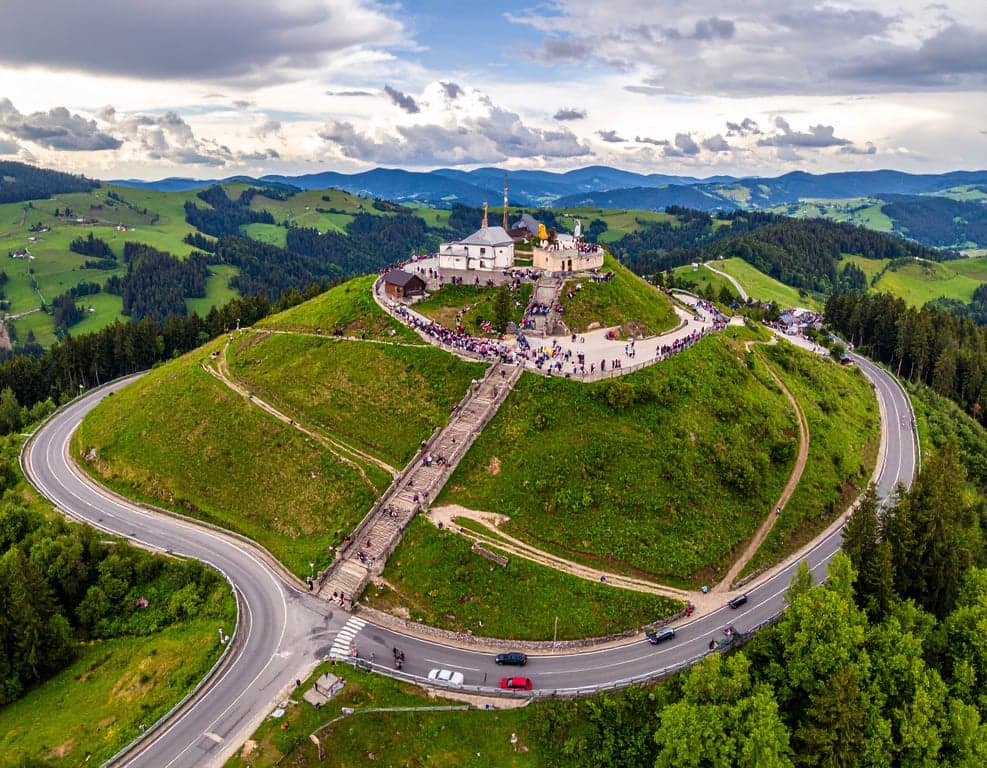
St. Thomas Mount’s sacred and historic hilltop is under siege, overwhelmed by traffic, development, and environmental degradation, threatening both heritage and community life.
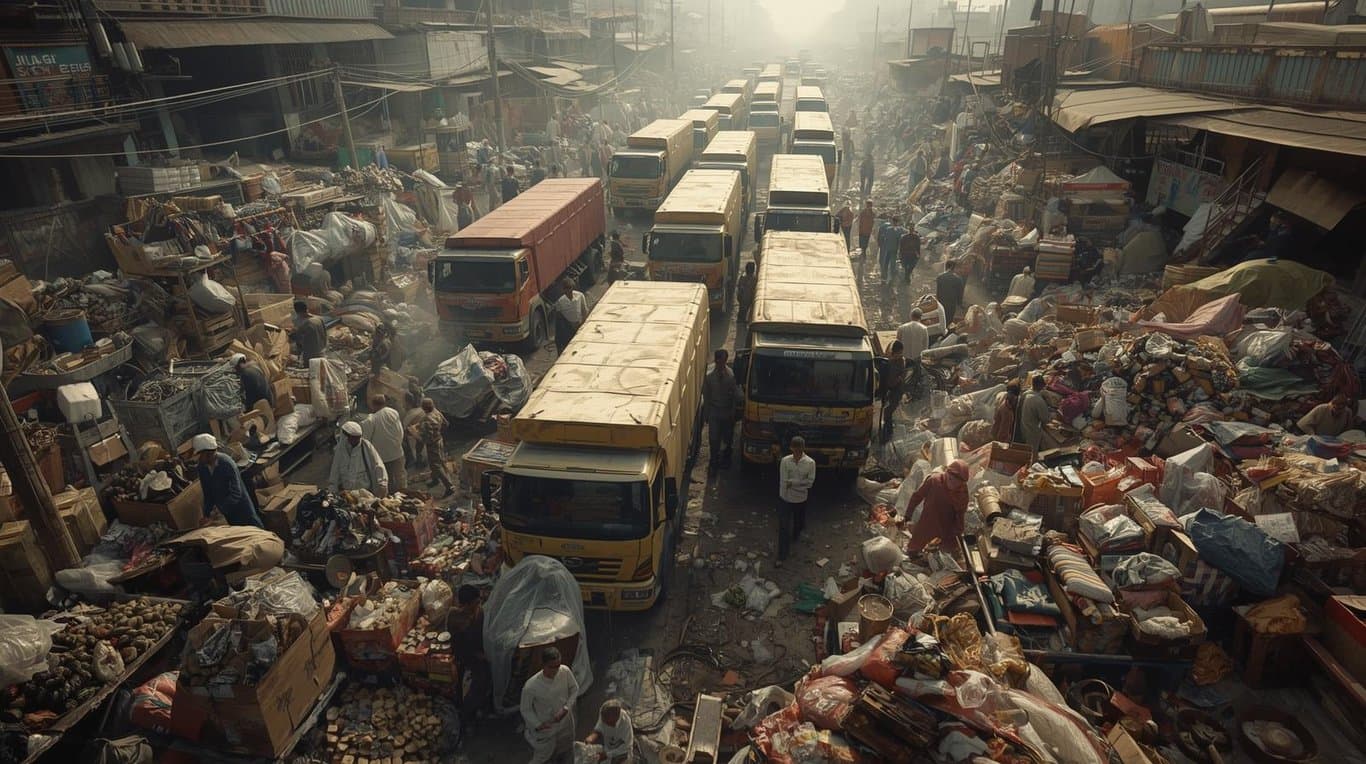
Koyambedu—Chennai's largest wholesale market—faces permanent traffic gridlock from thousands of daily trucks blocking roads and residential streets, mountains of rotting organic waste creating health hazards, infrastructure collapse from market activity overwhelming water, sewage, and drainage systems, and constant noise and air pollution destroying livability for surrounding residents while undermining market efficiency.
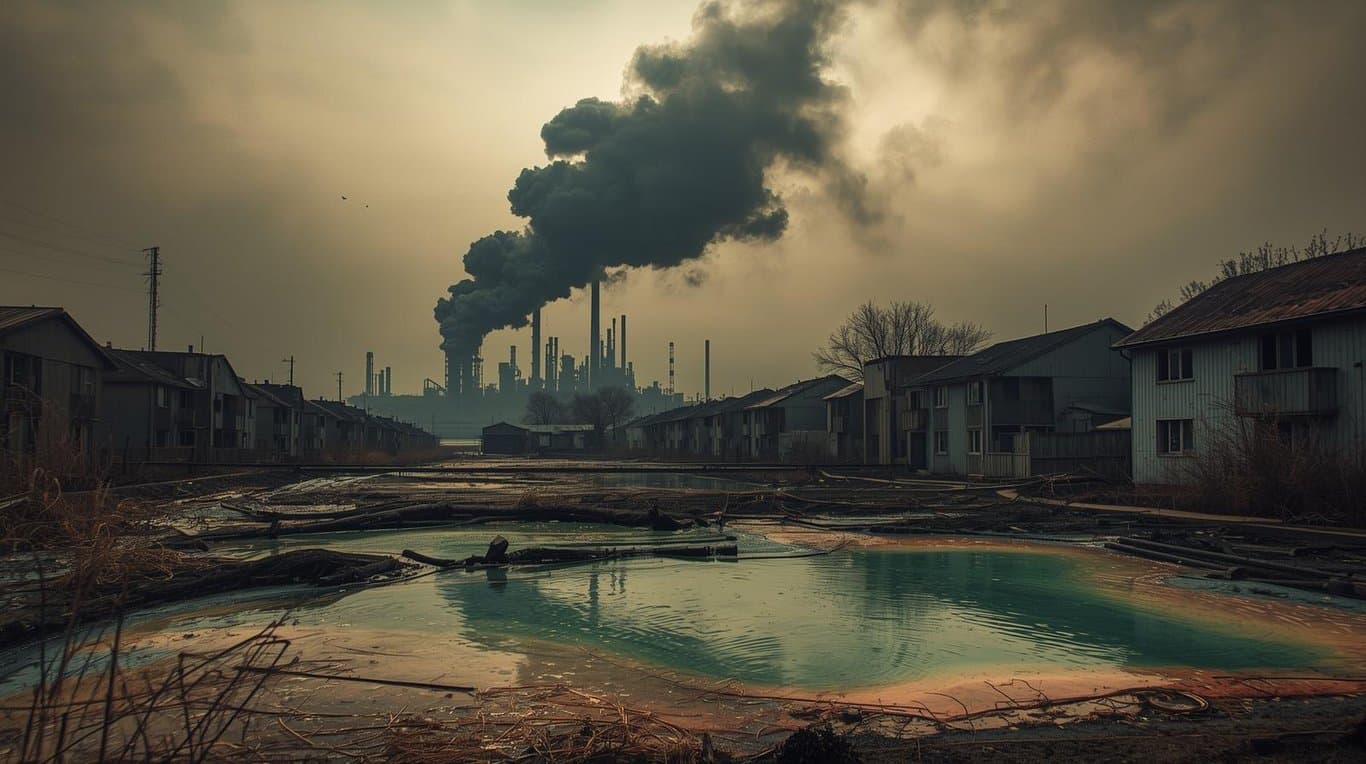
Manali—Chennai's petrochemical hub with refineries, fertilizer plants, and thermal station—is an industrial sacrifice zone where residents suffer catastrophic air pollution from toxic emissions, groundwater contamination destroying wells and livelihoods, residential areas adjacent to polluting industries without buffer zones, cancer clusters, and respiratory disease epidemics while industries operate without adequate pollution control or accountability.
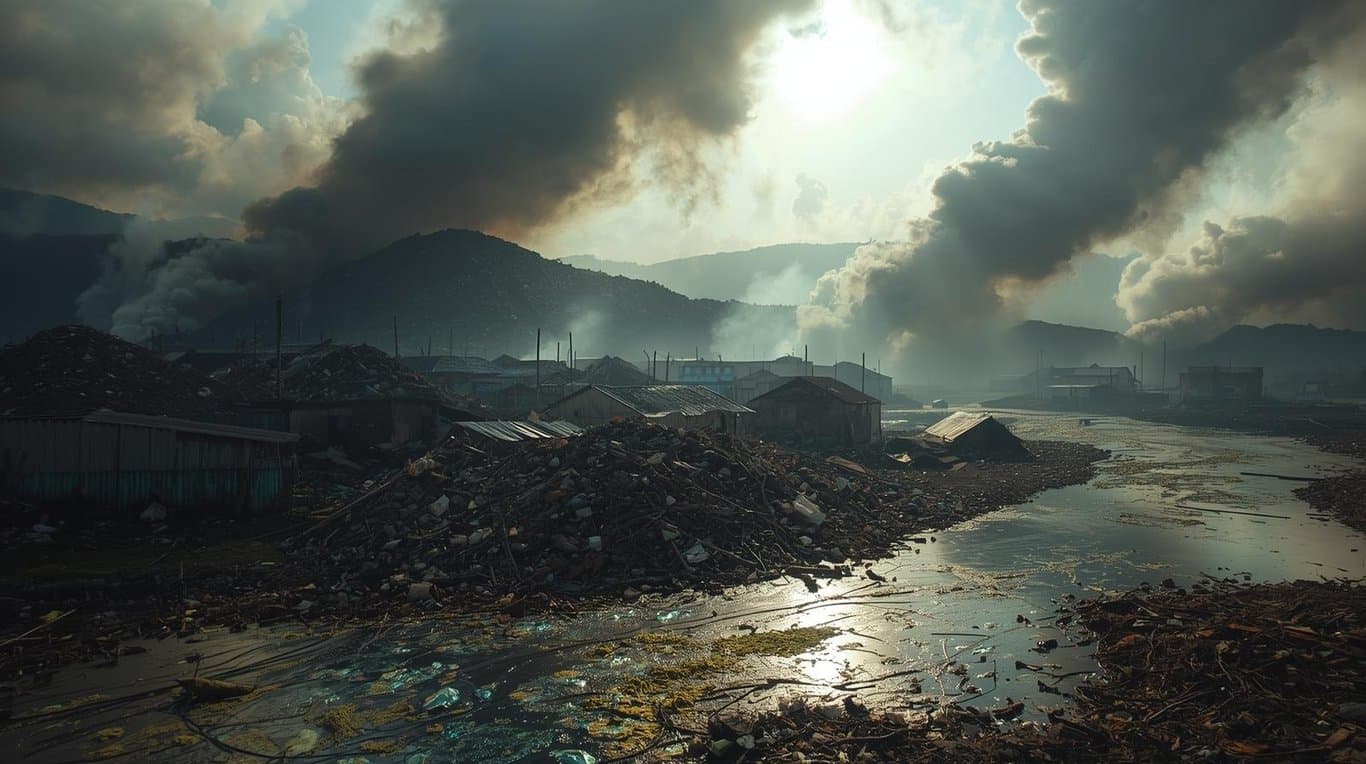
Kodungaiyur residents live beside Chennai's largest dump receiving 3,000+ tons daily, enduring constant foul smell, methane emissions, toxic leachate contaminating groundwater, frequent fires releasing poisonous smoke, respiratory diseases, and property value collapse—environmental injustice where poor communities sacrifice health for the city's waste without compensation or alternatives.
Kilpauk—Chennai's major medical hub with Government hospitals serving thousands daily—faces traffic gridlock delaying ambulances and emergency care, inadequate sanitation creating health risks, overcrowded facilities overwhelming healthcare workers, and infrastructure that can't support the massive patient volume, undermining medical excellence with systemic neglect.
K.K. Nagar—an established middle-class residential area—faces gentrification driving rents beyond local affordability, traffic congestion destroying residential peace, infrastructure strain from development pressure, and threats to tree cover and parks, risking the affordable community-oriented character that defines the neighborhood.