~ Samarth Krishna Kanaksubramaniam
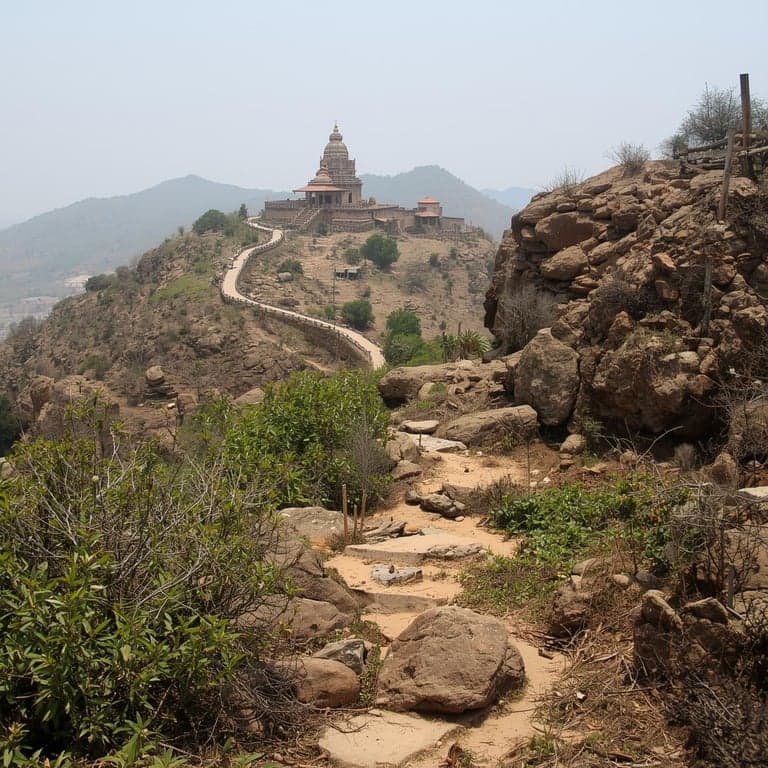
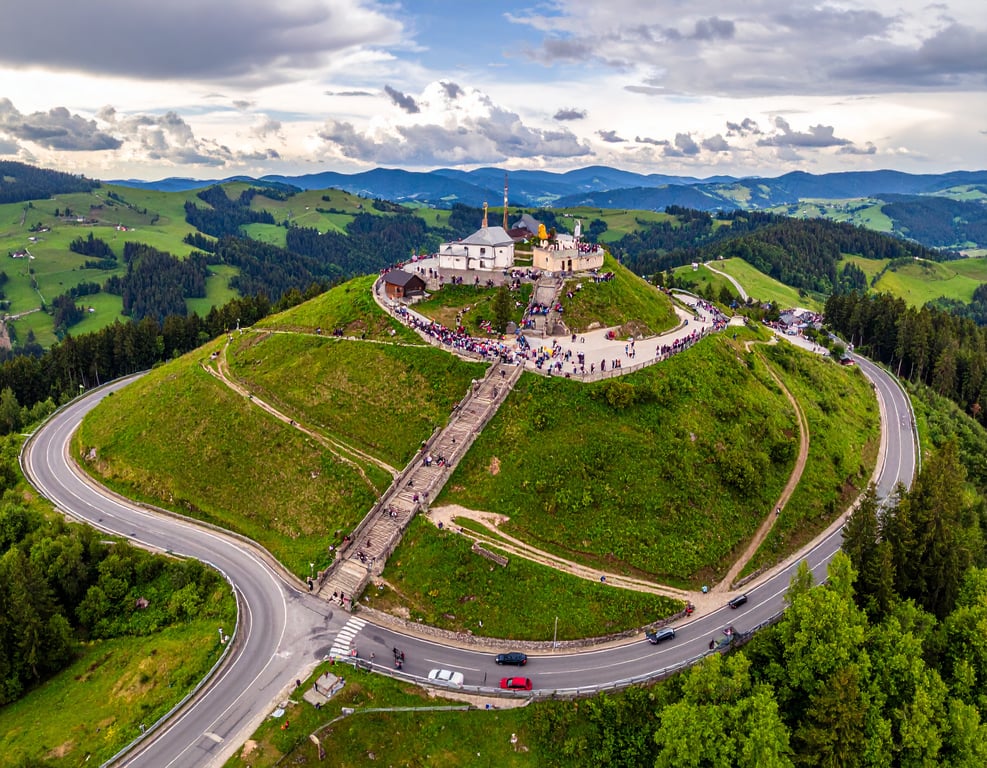
St. Thomas Mount. Historic. Sacred. Elevated. An ancient pilgrimage site and historically significant neighborhood now overwhelmed by urban expansion and relentless traffic. The sacred hilltop is being destroyed by vehicles and pollution.
👉 St. Thomas Mount's challenge is preserving its sacred, historic character while adapting to modern urban realities. But right now, traffic is winning.
🚗 Traffic Bottleneck Crisis
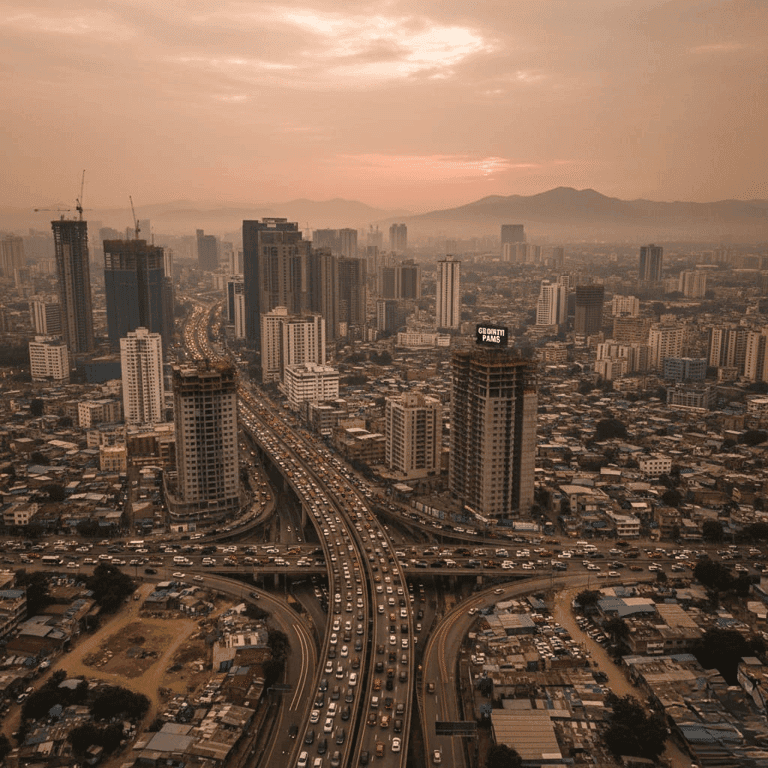
The hilltop location creates severe traffic bottlenecks.
All traffic funnels through limited roads—no alternative routes
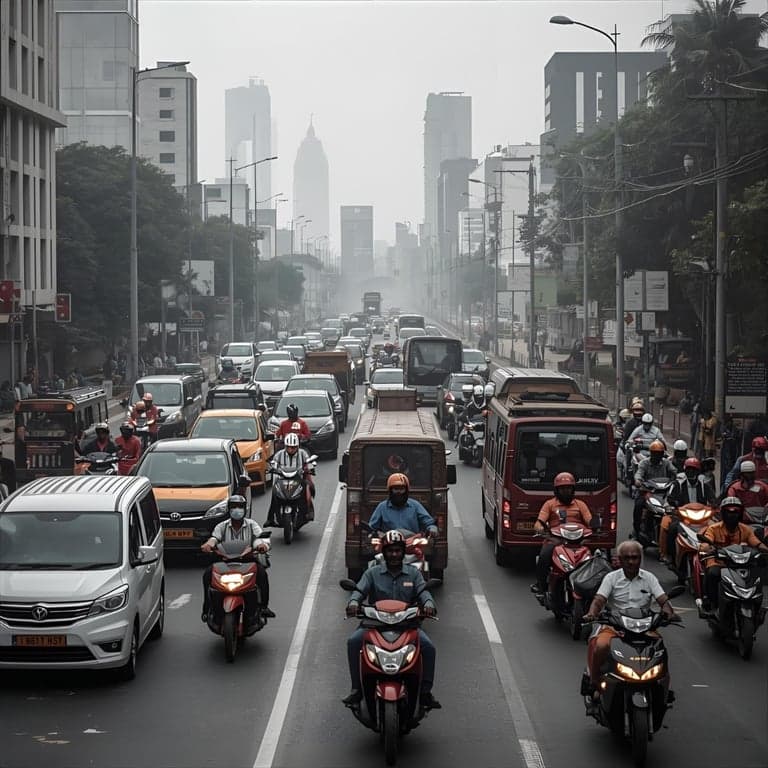
Congestion is severe during peak hours—gridlock frequent
Heavy vehicles laboring uphill create noise and pollution
Emergency vehicles struggle to reach hilltop during emergencies
Vehicles damage historic infrastructure
Pollution affects the sacred site and surrounding areas
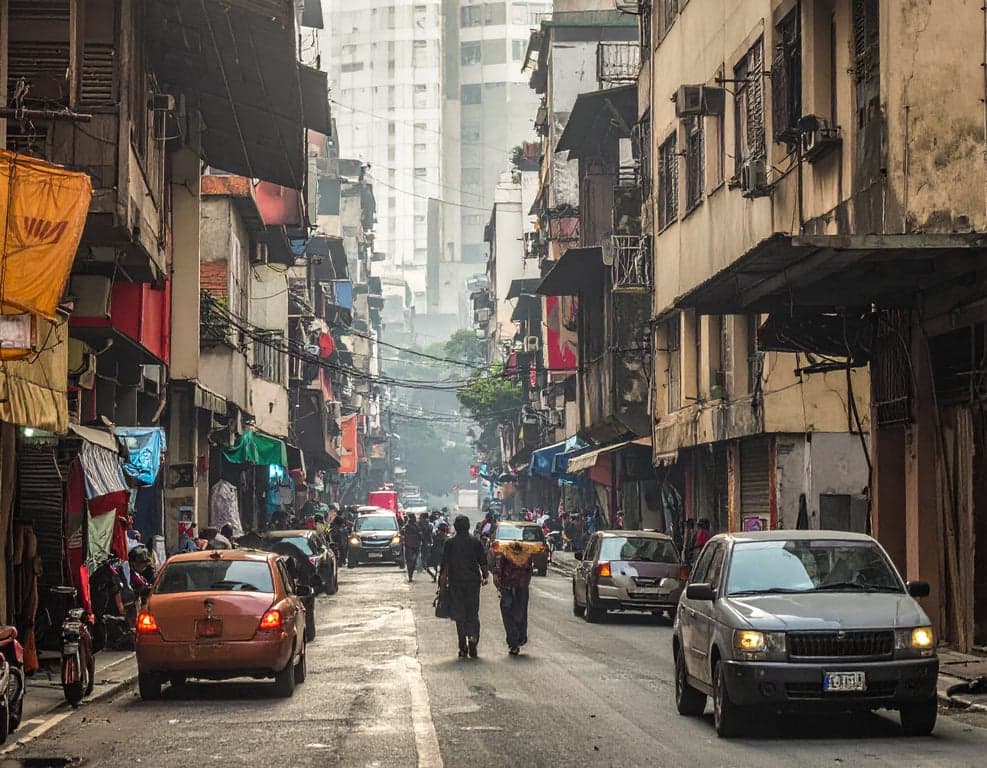
Narrow streets designed for pilgrims on foot overwhelmed by cars
The problem: A neighborhood built for pilgrims on foot and horses is being destroyed by thousands of vehicles daily.
Traffic is winning the battle for the hilltop.
📍 Urban Planning Disaster
Development on the hilltop has been chaotic and destructive.
No coordinated master plan—development is ad hoc
Infrastructure is inadequate for population
Parking is a nightmare—cars parked everywhere
Traffic management is nonexistent—total chaos
Sacred spaces being encroached upon by commercial development
Utilities overwhelmed—water, electricity, sewage failing
No community input in planning
The consequence: A historic, sacred site is being destroyed by poor planning and unmanaged growth.
The hilltop is becoming less sacred and more chaotic with each development.
🏛️ Cultural and Sacred Significance Under Threat
St. Thomas Mount is significant to multiple religious traditions and has important heritage value.
Historic basilica faces pollution and traffic noise
Sacred spaces encroached upon by commercial development
Religious ceremonies disrupted by traffic
Pilgrims face difficult, dangerous access
Character and atmosphere of pilgrimage site eroding
Heritage buildings deteriorating from pollution
Traditional practices displaced by commercialization
The spiritual loss: A place of spiritual significance is being degraded. Pilgrims can't find peace. Spiritual practices are disrupted. Sacred atmosphere is destroyed.
The hilltop's spiritual identity is being erased.
🌳 Environmental Degradation
The hilltop environment is being systematically damaged.
Trees being cut for development—green cover shrinking
Natural water bodies destroyed or polluted
Erosion increasing from construction
Green cover disappearing—barren hilltop emerging
Air quality declining from traffic pollution
Biodiversity collapse—birds and animals disappearing
Ecosystem services (water regulation, temperature moderation) lost
The consequence: Environmental degradation making the site less livable and less healthy.
What was once a green, peaceful hilltop is becoming barren and polluted.
🚶 Pilgrimage Access Becoming Impossible
The hilltop is supposed to be accessible to pilgrims. But traffic makes pilgrimage dangerous and unpleasant.
Roads unsafe for pilgrims to walk
Vehicle exhaust toxic for pilgrims
Noise disrupting meditative pilgrimage
Congestion making access frustrating
Parking impossible during pilgrimage seasons
Modern vehicles destroying spiritual experience
The irony: A pilgrimage site is becoming inaccessible to pilgrims.**
👨👩👧👦 Community Displacement
Long-term residents are being pushed out by development and rising prices.
Property values increasing—residents can't afford to stay
Commercial development replacing residential areas
Community character disappearing
Social bonds breaking as families leave
Traditional occupants replaced by transient residents
✅ What St. Thomas Mount Needs
Traffic Management:
Public transit prioritization to hilltop
Parking solutions reducing on-street parking
Vehicle restrictions during peak hours
Shuttle services for pilgrims
Congestion pricing on hilltop
Car-free zones around sacred site
Urban Planning:
Coordinated master plan respecting historic and sacred character
Development regulations protecting heritage
Infrastructure planning accommodating pilgrimage
Community participation in planning
No development in sacred zones
Heritage Protection:
Preservation of historic structures
Sacred spaces protected from encroachment
Traditional practices supported
Pilgrimage routes maintained
Heritage interpretation and education
Restoration of deteriorated historic sites
Environmental Restoration:
Tree planting—green cover recovery
Water body restoration
Erosion control
Pollution reduction
Wildlife habitat restoration
Community Protection:
Affordable housing preserved
Long-term residents protected
Community voice in planning
Traditional occupations supported
Community gathering spaces maintained
Pilgrimage Support:
Safe, accessible pilgrimage routes
Rest areas and facilities
Water and sanitation for pilgrims
Information and guidance
Security and safety
💪 What Residents and Community Can Do Now
Form heritage protection groups
Advocate for pilgrimage route protection
Organize cleanup drives
Support traditional businesses
Advocate for historic preservation
Demand community participation in planning
Create awareness about heritage significance
Participate in environmental restoration
Vote for leaders protecting the site
Document changes and impacts
🚀 St. Thomas Mount's Opportunity
St. Thomas Mount can prove that historic and sacred significance can be preserved while accommodating modern urban life. It won't be easy. But it's possible.
Cities worldwide have successfully protected sacred sites and historic neighborhoods while managing traffic and growth.
St. Thomas Mount requires:
Political commitment to heritage protection
Traffic management separating vehicles from sacred spaces
Community participation in planning
Development regulations protecting character
Environmental restoration
Every vehicle redirected. Every tree planted. Every historic structure preserved. Each is a step toward balance.
St. Thomas Mount's sacred character is worth fighting for. The question is whether the community will organize now before irreversible damage occurs.
The next 6 months are critical. After that, restoration becomes exponentially harder.