Washermanpet's Sanitation Crisis—Disease and Filth in Plain Sight
~Samarth Krishna Kanakasubramaniam
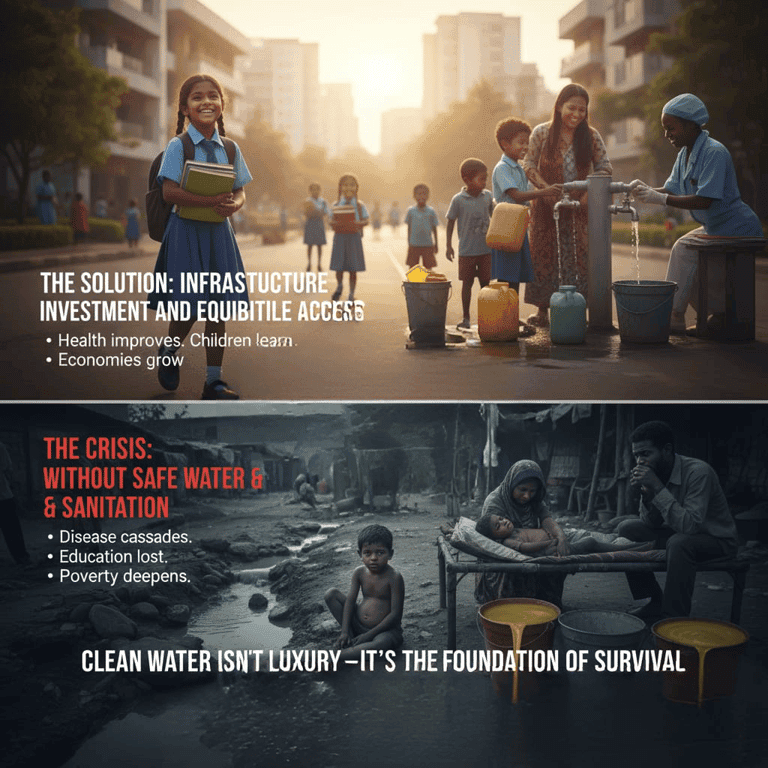
Washermanpet. Historic neighborhood. Dense population. But chronic sanitation failures create a public health disaster. Open drains overflow. Toilets don't work. Garbage piles up. Diseases spread. This is the face of urban neglect.
👉 When toilets don't work and sewage flows through streets, disease follows. Washermanpet is proof that sanitation failures are human tragedies.
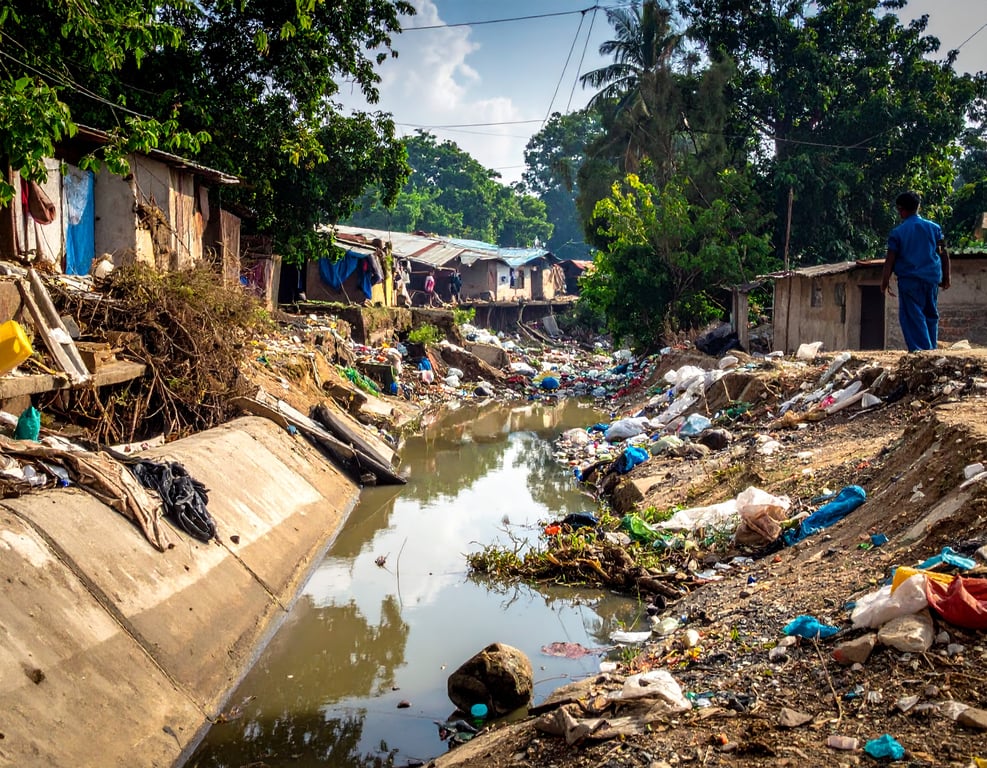
🚨 The Sanitation Nightmare
Washermanpet's sanitation systems are failing catastrophically.
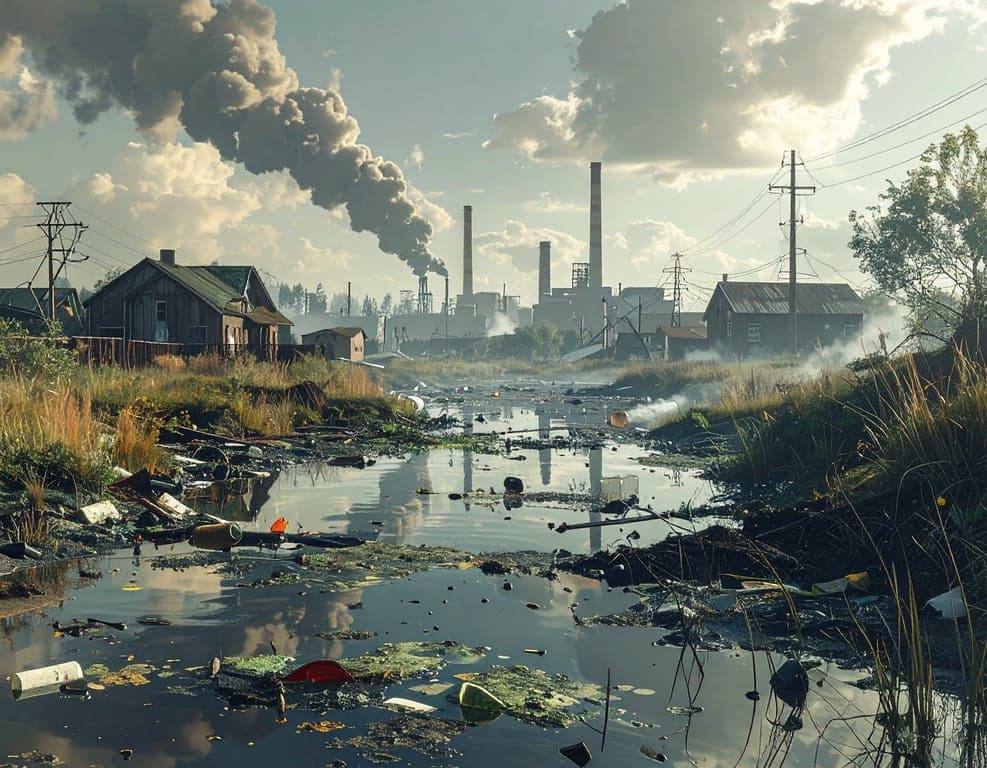
Open drains overflow with sewage daily
Sewage mixes with drinking water during rain
Public toilets are non-functional or filthy—residents avoid using them
Waste accumulates on streets—garbage collection is inadequate
Stench is unbearable—pollution affecting every breath
Rats and insects are everywhere—disease vectors multiplying
Sanitation workers are exploited and exposed to toxic conditions
The daily reality: Residents navigate sewage-filled streets. Children play in contaminated water. Waste surrounds homes. The stench is constant. Dignity is impossible in these conditions.
This is not poverty. This is a systematic abandonment of basic human needs.
🏥 Health Disaster Unfolding
When sanitation fails, health collapses.
Diarrheal diseases are endemic, especially among children
Waterborne diseases (cholera, typhoid, dysentery) are common
Malnutrition is widespread—children's development is stunted
Pregnant women face infections with severe consequences
Infant mortality is elevated
Life expectancy is lower than the city's average
Respiratory diseases from pollution are increasing
Skin diseases from contamination spreading
The tragedy: Deaths from preventable waterborne diseases occur regularly. Children are suffering from stunted growth. Pregnant women are losing babies. Families are trapped in cycles of illness and poverty.
These deaths are entirely preventable. They're policy failures, not fate.
🗑️ Waste Management Collapse
Garbage collection is inadequate. Waste piles up on streets.
No systematic waste collection—piles accumulate for days
No sorting or recycling systems—all waste goes to landfills
Landfills are overflowing—waste management capacity exceeded
Informal waste workers are exploited—low pay, high exposure, no safety
Pollution affects everyone—especially residents nearby
Scavenging by the homeless for food from contaminated waste
Plastic pollution is choking waterways
The consequence: Disease vectors thrive. Groundwater is contaminated. Air quality suffers. Communities are trapped in filth.
💧 Water Contamination Crisis
When sanitation fails, water becomes dangerous.
Groundwater is contaminated with fecal coliform bacteria
Wells are unsafe to drink from
Water-borne diseases spread through contaminated supply
Boiling water is expensive for poor families
Children get sick from contaminated water
Aquatic ecosystems are destroyed
Fish can't survive in contaminated water
The danger: Cholera, typhoid, and dysentery outbreaks are possible at any time. Children are especially vulnerable.
🪳 Disease Vectors Thriving
Without sanitation, disease vectors multiply.
Mosquitoes breed in stagnant water—dengue and malaria spread
Flies swarm over garbage—spreading diseases
Rats multiply in sewage, carrying hantavirus and other diseases
Insects contaminate food, spreading foodborne illness
Disease outbreak risk is perpetually elevated
⚠️ The Human Cost
Sanitation isn't an issue of cleanliness or aesthetics. It's an issue of life and death.
Preventable deaths occur regularly
Children's lives are shortened by poor sanitation
Pregnant women die from infections
Economic opportunity is restricted by illness
Dignity is impossible in these conditions
Entire lives are constrained by sanitation failure
This is an emergency that demands an urgent response.
✅ What Washermanpet Needs (Urgently)
Functional Sanitation:
Working toilets in every home
Sewage treatment plants upgraded
Drainage systems that actually drain
Regular maintenance—not deferred maintenance
Water Safety:
Water testing and treatment
Safe water supply to every home
Boiling water assistance for vulnerable families
Groundwater protection and remediation
Waste Management:
Regular waste collection (daily minimum)
Sorting and recycling systems
Formal waste worker employment with dignity
Community participation in waste reduction
Informal Worker Support:
Fair wages for sanitation workers
Safety equipment and protective measures
Health insurance for workers
Dignity and respect
Health Services:
Primary health centers are adequately staffed
Disease treatment accessible
Preventive health programs
Community health workers
Community Participation:
Residents trained in waste management
Community involvement in system maintenance
Feedback mechanisms for complaints
Community leadership in solutions
💪 What Residents Can Do Now
Organize community health groups
Document sanitation failures
Report contamination and disease outbreaks
Advocate loudly for government action
Support sanitation workers
Create community-based waste management
Participate in disease surveillance
Demand accountability
🚨 The Urgency is Extreme
Sanitation isn't optional. It's the foundation of health and dignity. Washermanpet residents deserve functioning sanitation as a basic human right.
Change is possible. Sanitation systems can be fixed. Health can be restored. But only if the community and government make it a priority right now.
Every day without proper sanitation is a day when preventable deaths occur. Every month of delay allows diseases to spread further. Action is needed immediately.
Washermanpet's sanitation crisis can be solved. The question is whether society will demand it now or wait until the crisis becomes a catastrophe.