SDG 11 - Guindy:
🗝️Key themes:
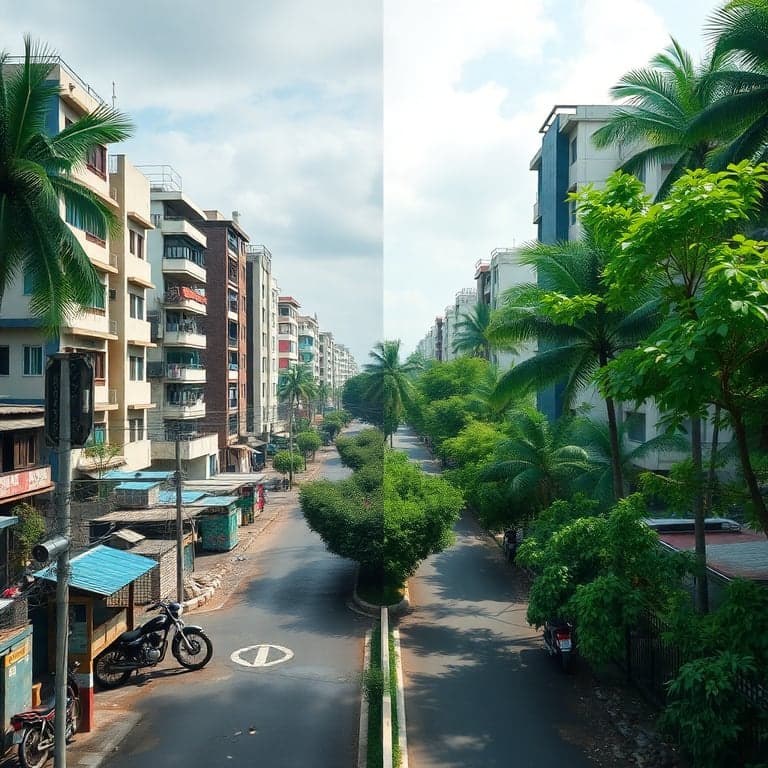
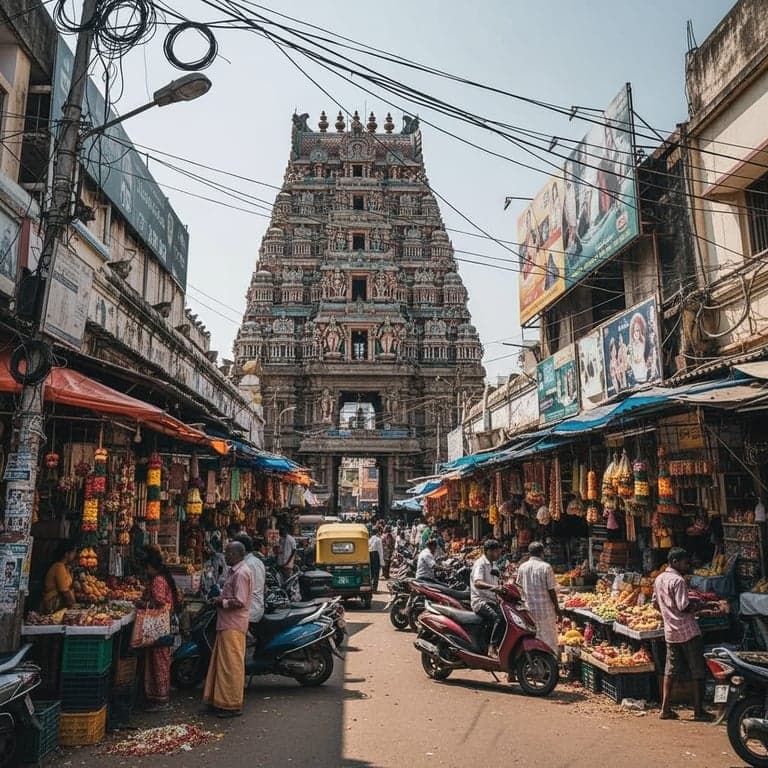
The key themes of SDG 11 in Guindy revolve around the major issues of poor road infrastructure, waterlogging, traffic congestion, overgrowth and invasive species in green zones, and inadequate waste management.
Identified Issues and What They Mean:
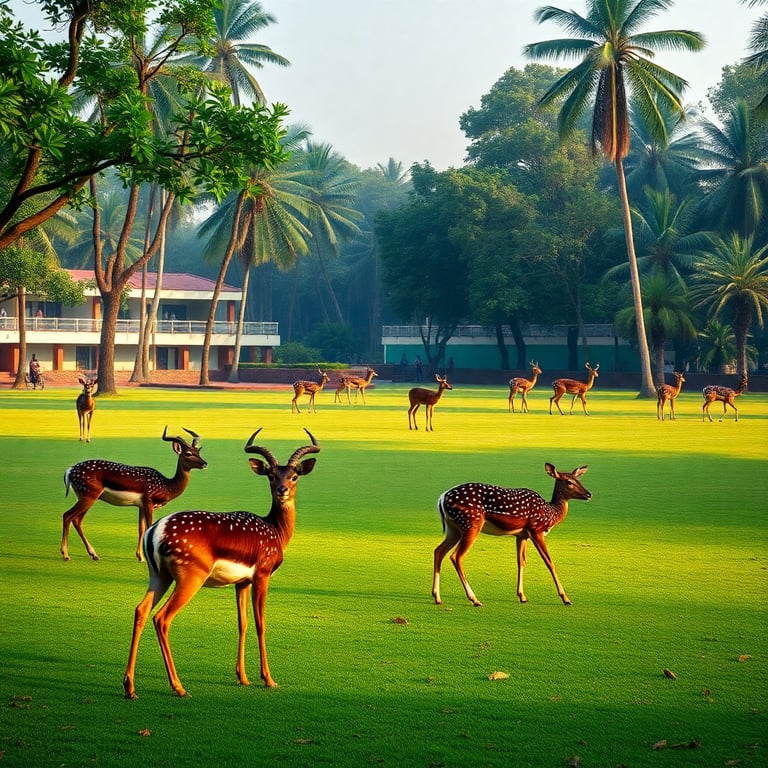
🌳🌲🌴🌿🍃Overgrowth of invasive species - Especially seen in the Guindy National Park, wild vegetation such as the Prosopis juliflora, Antigonon leptopus, etc, chokes the growth of grasslands and habitats. The Polo Grounds, which was originally a grassland used as a polo field during the British era, became gradually overrun with the growth of invasive species, stifling the growth of native grass cover.
🦌 Loss of habitat for wildlife - This overgrowth has led to a decline in available grazing areas for herbivores like the blackbucks and spotted deer, causing them to wander off in search of food.
🛡️🚧🔒🛑⚠️Lack of ecological protection - Improper and inadequate maintenance of the safety zone and protective boundary - Guindy National Park is located right in the middle of Chennai, surrounded by places like IIT Madras, Raj Bhavan, and the Guindy Industrial Estate. A buffer zone—usually a stretch of land with restricted construction and human activity—is meant to protect wildlife from noise, pollution, and human interference. However, in Guindy’s case, this buffer is either too narrow or missing in several parts. As a result, the park faces encroachment risks, habitat disturbance, and pressure from urban expansion.
Efforts taken up:⚙️🌟
🌱Restoration of grasslands – The Forest Department has cleared invasive plants like Prosopis juliflora and Antigonon leptopus and replanted native grasses to restore natural habitats.
🚧Fencing and boundary reinforcement – Protective fencing has been strengthened around sensitive zones to prevent encroachments and restrict vehicle and pedestrian access.
🌳Eco-restoration drives – Regular clean-up and plantation drives are organised to revive degraded patches within and around the park.
🦌Wildlife protection and monitoring – The blackbuck population is monitored closely, and restored grazing areas like the Polo Ground have improved food availability for them.
📚Awareness and education programs – Initiatives at Guindy Children’s Park and nature interpretation centres educate visitors on the importance of conserving green zones within cities.
🏙️Controlled development around the park – Urban planning authorities have begun enforcing building and zoning regulations to limit harmful construction near the park’s borders.
🏛️Government Intervention -
Recently, the Tamil Nadu Forest Department initiated efforts to clear wild growth and restore the grassland, along with reopening the Polo Ground as a safe and sustainable habitat for the park’s wildlife — a move that directly aligns with the aims of SDG 11 (Sustainable Cities and Communities).
- D.C.Shreya ✍️