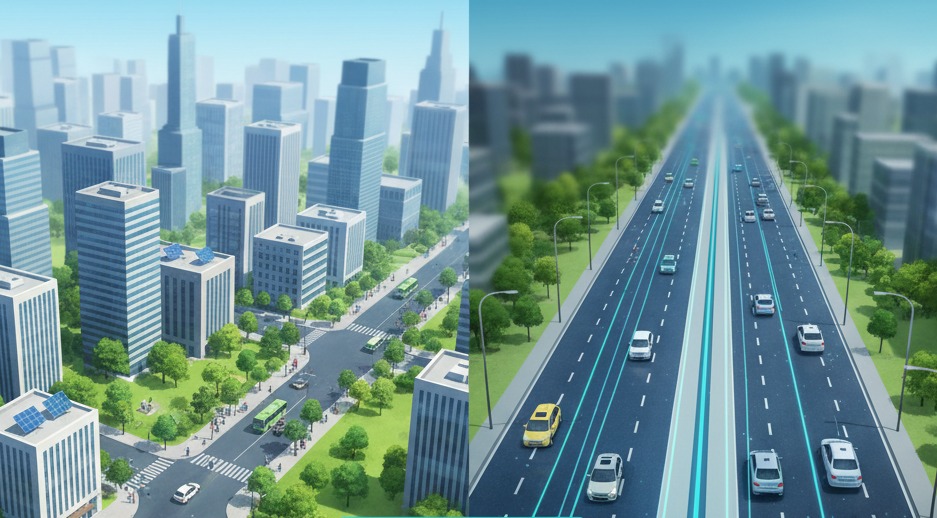
 🚦 Tambaram’s Traffic Challenge: A Test for Sustainable Urban Growth
~ Neha Ramachandran
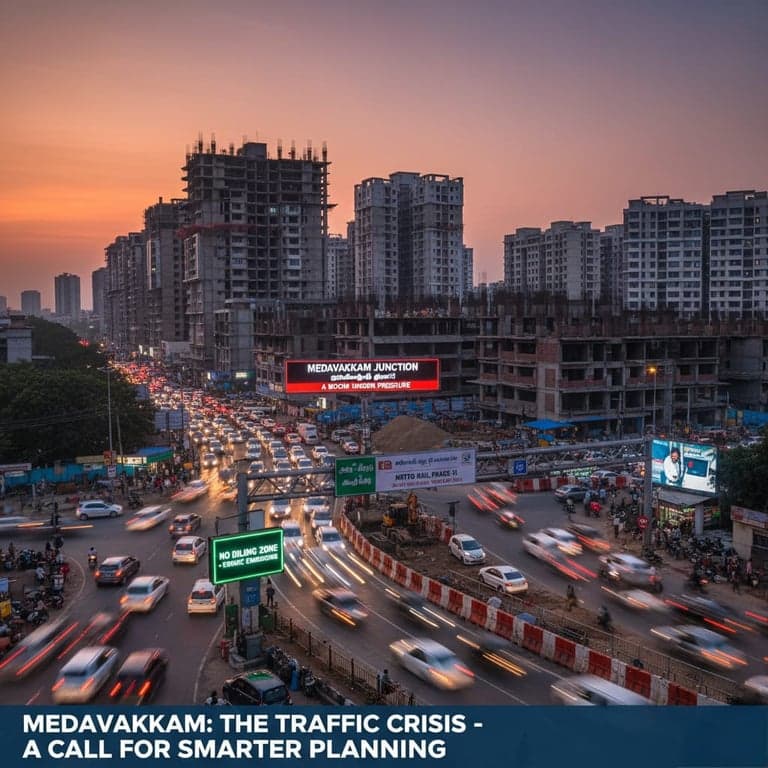
Tambaram — one of Chennai’s fastest-growing suburbs — is experiencing the growing pains of urban expansion. With vehicle numbers rising sharply and infrastructure struggling to keep pace, the suburb faces intense traffic congestion and stress on public spaces.
These challenges underscore the urgent need for sustainable urban planning in line with Sustainable Development Goal 11 (SDG 11): Sustainable Cities and Communities.
🚗 1. Heavy Congestion Along GST / Chennai–Trichy Highway
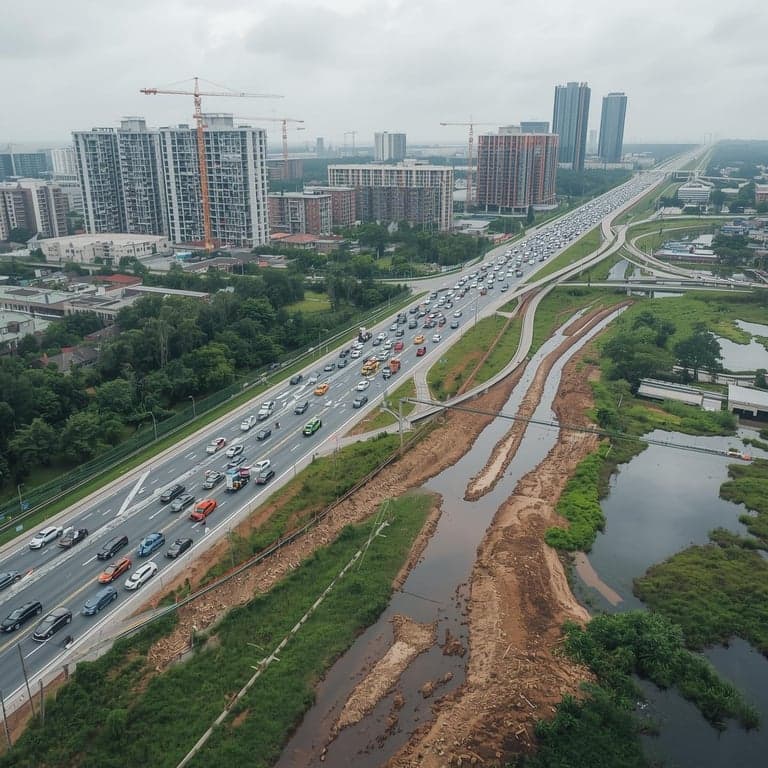
The Perungalathur–Tambaram stretch on the Chennai–Trichy National Highway is one of the area’s most severe choke points.
Ongoing road widening and bridge replacement works slow traffic to a crawl — especially during holiday weekends, when congestion stretches from Chengalpattu into Tambaram and beyond.
🅿️ 2. Illegal Parking and Encroachments
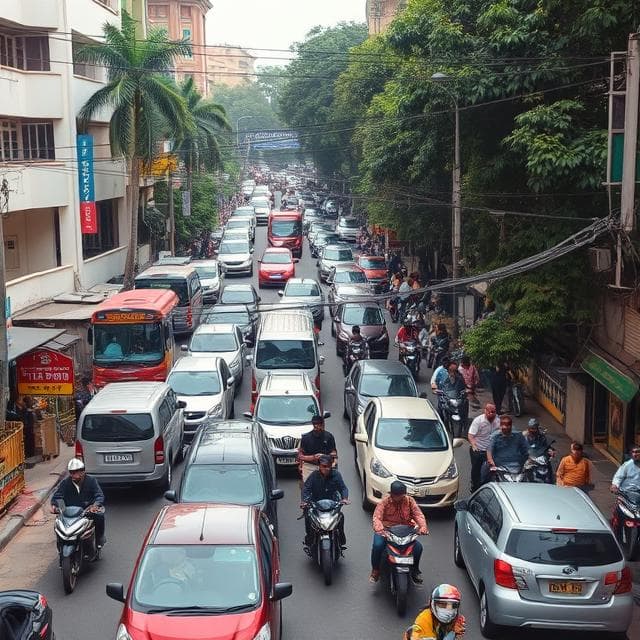
In the Tambaram market area, over 2,000 vehicles are illegally parked daily, blocking roads and footpaths.
Encroachments restrict movement, worsen delays, and even obstruct emergency vehicles on service roads near flyovers.
Without strict enforcement and planned parking spaces, Tambaram’s roads risk becoming permanently gridlocked.
🚦 3. Traffic Re-Engineering Measures
Authorities are experimenting with short-term solutions to relieve pressure:
New U-turns near Kamakshi Hospital to reduce signal delays on the Pallavaram–Thoraipakkam Radial Road.
Early green signal phases for two-wheelers to minimize traffic conflicts.
A proposed heavy vehicle ban from 6 a.m. to 1 p.m. on key Tambaram roads to ease peak-hour congestion.
While these steps provide temporary relief, systemic solutions are necessary for lasting impact.
🚉 4. Transit & Infrastructure Planning: The Metrolite Proposal
A proposed Metrolite line between Tambaram and Velachery could transform southern Chennai’s mobility landscape.
By offering a reliable, low-emission public transport option, it would ease pressure on highways and reduce the suburb’s dependence on private vehicles.
If implemented efficiently, this project could become a model for sustainable transit-oriented growth in Chennai.
🚆 5. Pressure on Rail and Road Networks
Tambaram Railway Station is a major node in Chennai’s suburban rail network, handling thousands of commuters daily.
However, road junctions like Irumbuliyur, where the bypass and highway meet, create complex intersections with constant traffic mixing.
Nearby level crossings, such as those in Chromepet, frequently close for trains, causing backups that ripple through Tambaram’s main corridors.
🏙️ 6. Rapid Urban Growth and Expansion Pressures
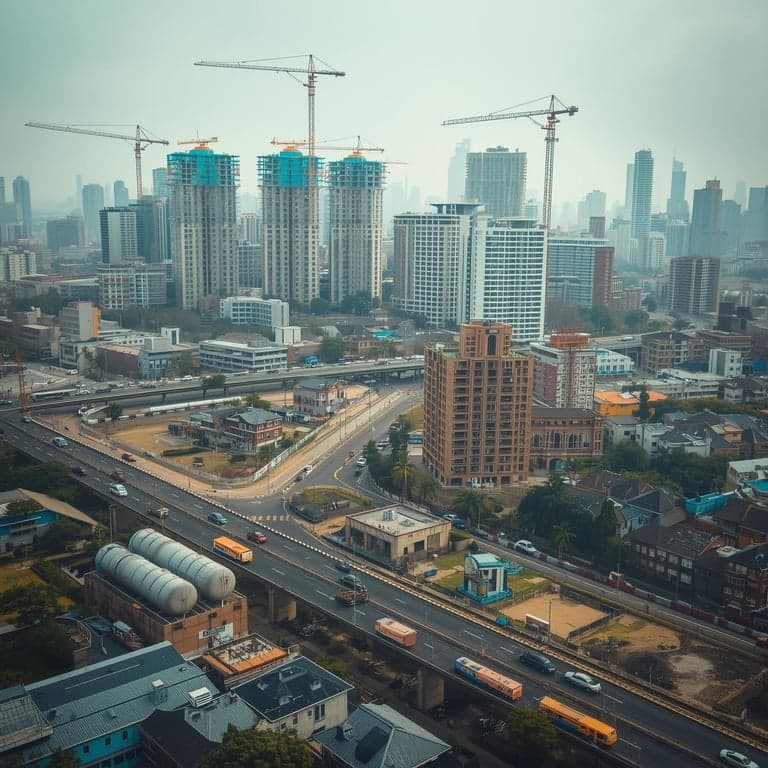
Tambaram’s recent upgrade to a corporation has accelerated growth — but not always sustainably.
New developments often proceed without adequate road widening, drainage, or multimodal transport planning.
As a result, the suburb faces recurring bottlenecks, flooding risks, and reduced livability.
🌱 Building a Sustainable Future for Tambaram
Tambaram’s congestion isn’t just a traffic issue — it’s a planning issue.
Sustainable strategies such as:
Integrated public transport,
Dedicated parking zones,
Pedestrian-friendly roads, and
Green urban infrastructure
can ensure the suburb grows cleaner, safer, and more resilient.
Addressing these challenges today will shape Tambaram into a truly sustainable city of tomorrow — one that balances growth with livability, in the spirit of SDG 11.