~ Akshara Srirangarajan
🏠 Housing Shortage — A Growing Urban Pressure
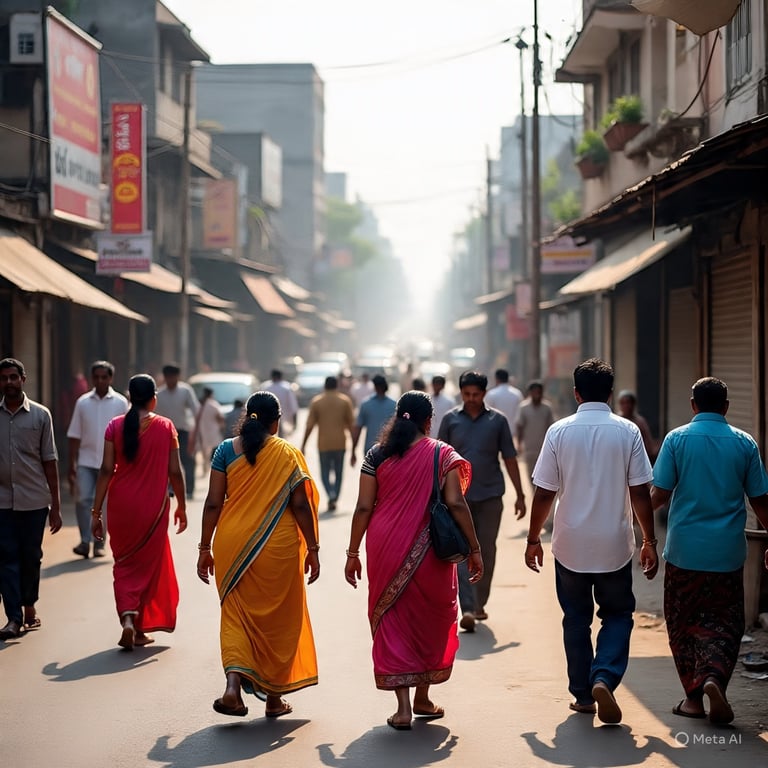
Perambur, once a balanced residential hub, is now feeling the strain of rapid urban growth.
📉 The Numbers Tell the Story:
In Chennai overall, only about 40% of households live in owned homes, with an estimated shortage of 75,000 urban houses.
In Perambur, good connectivity and central location have spiked demand, pushing rents and property prices upward — a clear signal of limited housing supply.
🏚️ The Impact:
Overcrowding of existing housing units
More people forced into rentals and informal housing
Growing strain on infrastructure and services
🌍 SDG 11 Lens:
Inclusiveness: Affordable housing (Goal 11.1) is slipping out of reach — lower-income families risk being pushed to the city’s fringes.
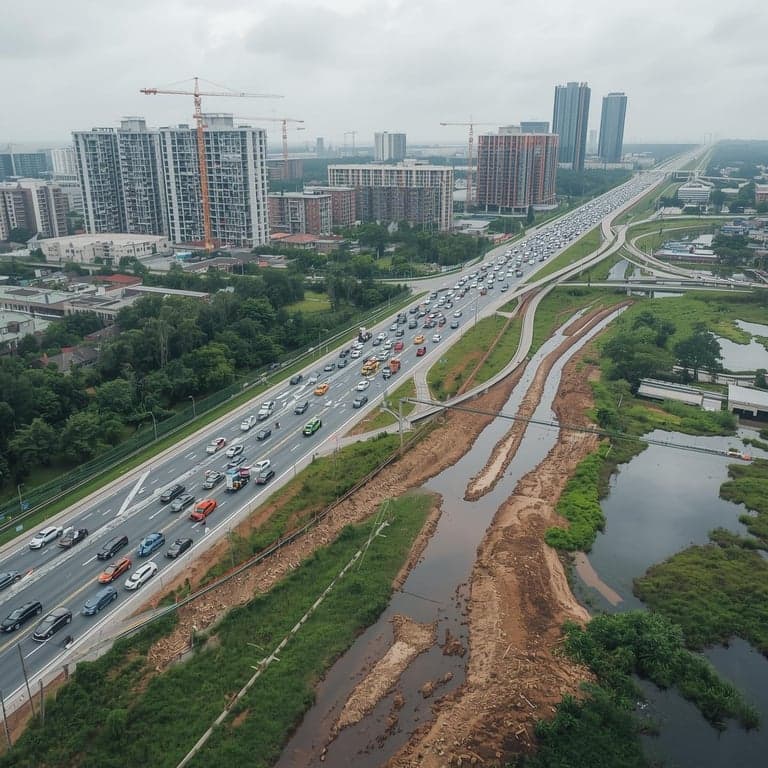
Resilience: Rapid housing growth without drainage or transport upgrades reduces community resilience to floods and other risks.
Sustainability: Without water, sanitation, and drainage infrastructure, new housing can worsen livability instead of improving it.
🌫️ Pollution & Environmental Quality — A Daily Urban Challenge
Perambur’s environmental health is declining alongside its urban growth.
💨 Air Pollution:
Average PM2.5 levels (~32 µg/m³) remain above WHO guidelines — unhealthy for residents, especially children and the elderly.
🔊 Noise Pollution:
Reports rank Perambur among Chennai’s noisiest residential zones, with frequent violations of permissible noise limits.
💧 Drainage & Waste Issues:
The Jamalia subway faces chronic water-logging and sewage mixing, causing serious health hazards.
Overflowing sewage in interior streets continues to degrade public hygiene.
Encroached footpaths and dumping in open spaces (like the Medavakkam Tank Road park) worsen urban decay.
🌍 SDG 11 Perspective:
Safety & Inclusiveness: Flooding and sewage overflow reduce safety; degraded public spaces limit accessibility for all.
Resilience: Repeated drainage failures and waste buildup make the area less resilient to climate and monsoon events.
Sustainability: Persistent pollution and waste issues reveal the gap between urban growth and true sustainability.
✅ The Way Forward — Making Perambur Livable Again
For Perambur to truly embody SDG 11: Sustainable Cities and Communities, the focus must shift toward:
Affordable, inclusive housing development
Better waste, sewage, and drainage infrastructure
Air and noise pollution control measures
Revival of green and open spaces
Cleaner, safer, and more inclusive urban planning can turn Perambur into a model of sustainable development — where growth supports, not suffocates, its residents.